
Star tulip
Tulipa stellata
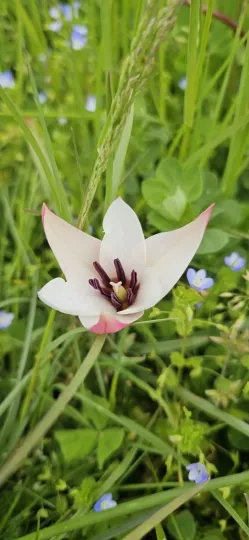
Description
Sowing dates
Planting of Tulipa stellata bulbs is typically performed in autumn when the soil temperature at a depth of 10–12 cm drops to 9–10°C, ensuring optimal conditions for rooting.
The ideal planting window is between September and early October, preventing early growth that could be susceptible to late autumn or winter frost damage.
Bulbs should be buried to a depth equivalent to three times their height, which provides a stable environment and protects the plant from extreme temperature fluctuations.
Adding a layer of coarse sand at the bottom of the planting hole is a recommended practice to improve drainage and minimize the risk of bulb rot in heavy soils.
Spacing the bulbs about 10–15 cm apart is essential to reduce competition for nutrients and ensure adequate airflow between developing plants in the spring.
Growing requirements
The star tulip, belonging to the Liliaceae family, originates from the mountainous regions of Afghanistan, Pakistan, and India, demonstrating high resilience to harsh climates.
For successful cultivation, choose a location with full sun exposure, as the plants require high light intensity for proper development and reliable annual flowering.
Soil must be well-draining, loose, and slightly alkaline or neutral. The star tulip thrives in gritty, sandy loam soils that prevent moisture from pooling around the bulbs.
While the plant is drought-tolerant once established, it requires consistent moisture during the spring growth phase to support vigorous flowering and foliage development.
After the foliage dies back in summer, the bulbs prefer a dry dormancy period, making good drainage an absolute requirement for long-term survival in the garden.
Main diseases and pests
Fungal diseases like grey mold (Botrytis) and Fusarium rot are the most common threats, especially when spring rainfall is excessive or drainage is insufficient.
Treating bulbs with fungicide before planting is a crucial step for preventing soil-borne pathogens and ensuring the health of the bulb throughout the growing season.
Pests such as bulb mites and nematodes can significantly damage the root system, weakening the plant and making it more susceptible to environmental stress.
Slugs and snails may attack tender green shoots in early spring, requiring monitoring and the use of physical barriers or organic pest control methods.
To maintain a healthy collection, gardeners must practice rigorous sanitation by removing and discarding any plants showing signs of viral infection or abnormal yellowing.