
Sprenger's tulip
Tulipa sprengeri
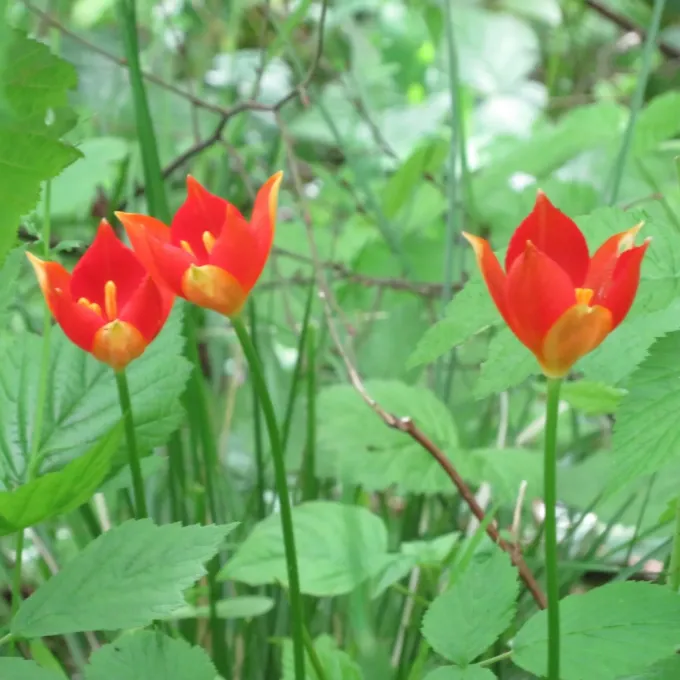
Description
Sowing dates
Tulipa sprengeri is a botanical tulip species recognized for its late-season blooming and unique ability to naturalize through self-seeding. Unlike many commercial varieties, it produces viable seeds that can be used effectively for propagation in garden settings.
Sowing should be done shortly after seed maturation in late summer. The seeds require a well-prepared seedbed with loose, organic-rich soil to ensure proper root penetration and development during the first growing season.
When propagating via seeds, gardeners must maintain consistent moisture levels and avoid heavy weeding that could disturb the fragile developing bulbs. Flowering from seed typically occurs after several years of careful cultivation.
For bulb planting, the optimal period is during the early autumn months. Bulbs should be placed at a depth of roughly 10 to 15 centimeters to protect them from extreme temperature fluctuations during the winter season.
Proper spacing is essential to allow for natural bulb division over time. Providing adequate distance prevents overcrowding, which is a common cause of reduced flowering vigor in established clumps.
Growing requirements
Sprenger's tulip thrives in full sun exposure, which is necessary for the development of its vivid, characteristic red blooms. It demonstrates excellent hardiness and adapts well to various garden microclimates.
The soil must be exceptionally well-draining, as the species is highly sensitive to waterlogging. Incorporating gritty material or coarse sand into clay-based soils can significantly improve conditions for the bulbs.
Moderate moisture is required during the active vegetative growth phase in spring. Once the foliage begins to yellow and die back in early summer, the soil should be allowed to dry out completely as the plant enters dormancy.
The application of balanced fertilizers during the early stages of growth promotes healthy foliage development and nutrient storage. Avoid excessive nitrogen applications, which can encourage disease and soft, weak growth.
Mulching with organic matter can help maintain soil temperature stability and suppress weed competition. Ensure the mulch is not applied too thickly, as it may trap excess moisture around the bulb neck.
Main diseases and pests
Botrytis, or gray mold, is a primary concern for this species, especially during damp, cool springs. Ensuring good air circulation between plants is the most effective cultural method to mitigate this risk.
Bulb rots, including Fusarium, can occur in poorly drained soils. These pathogens can persist in the soil for years, making the selection of an appropriate site and crop rotation highly important for longevity.
Pests such as aphids can cause direct feeding damage and act as vectors for viruses. Monitoring the plants during the active growing season allows for early intervention with mild insecticidal soaps or horticultural oils.
Rodents and burrowing mammals are also common threats that may consume the bulbs. Protecting newly planted bulbs with wire mesh cages is a common and effective strategy for gardeners in wildlife-prone areas.
Good sanitation practices, such as removing and destroying any infected plant tissue immediately, prevent the buildup of inoculum in the garden. Keeping the area clean significantly improves the overall health of the tulip collection.