
Rock tulip
Tulipa saxatilis
Description
Sowing dates
The rock tulip (Tulipa saxatilis) belongs to the Liliaceae family. Its biological cycle requires planting bulbs in open soil during the autumn period, once the soil temperature at a depth of 10-15 cm drops to about 10 degrees Celsius.
The ideal planting time ranges from September to early October in temperate climates. This timing ensures that the bulbs develop strong roots before the onset of winter dormancy, which is vital for successful spring blooming.
Professional agronomists recommend planting bulbs at a depth of approximately three times their diameter. This depth provides sufficient protection from winter frost while allowing the shoot to emerge efficiently in the spring.
Selecting a sunny location is critical for the rock tulip, as it originates from the sunny cliffs of Crete. Shady areas will negatively impact flower development and cause the bulbs to weaken over time.
Propagation is primarily achieved through the separation of offset bulbs, which occur naturally after the foliage has turned yellow, signaling that the plant has entered its full resting stage.
Growing requirements
This species is native to rocky slopes, making excellent drainage the primary requirement for successful cultivation. Avoiding waterlogged soil is essential to prevent the rotting of the bulb's basal plate.
The soil should be light, gritty, or sandy, mimicking the rocky conditions of its natural habitat. Improving heavy soils with sand, grit, or perlite is a standard practice to ensure adequate aeration.
The rock tulip prefers a neutral to slightly alkaline soil pH. On acidic soils, the application of agricultural lime or dolomite flour is recommended to support robust growth and vibrant flower color.
During the summer dormancy period, the bulbs require warm, dry soil conditions. This heat exposure in the ground is necessary for the proper differentiation of flower buds for the following year.
While the species is generally hardy, in regions prone to severe winters without a consistent snow cover, applying a light mulch of dry organic matter can protect the bulb stock from deep freeze damage.
Yield
The agricultural and ornamental value of the rock tulip lies in its versatility within rock gardens, alpine beds, and Mediterranean-style landscapes where it serves as a reliable perennial.
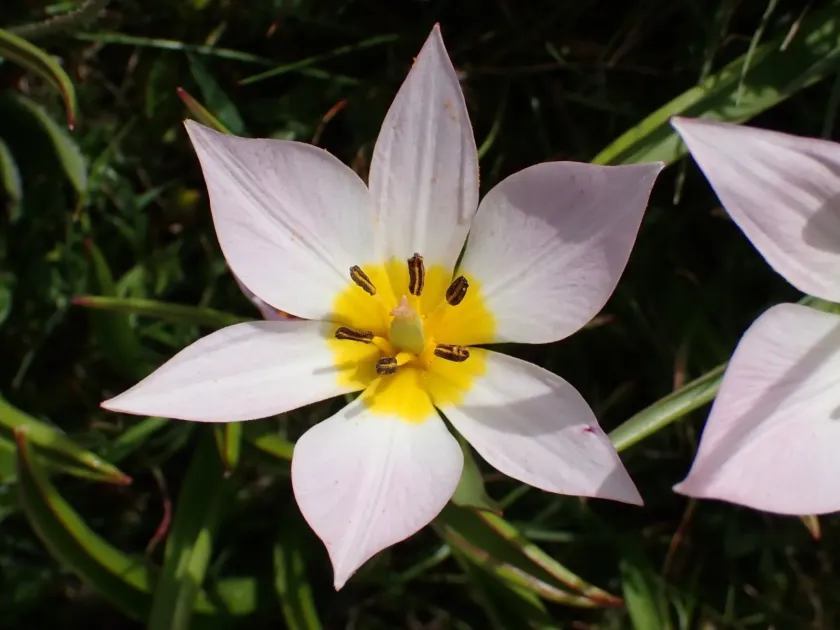
This species is valued for its ability to produce broad, carpet-like colonies due to its vigorous bulb multiplication. It provides early-season interest with its pale pink petals and bright yellow heart.
Unlike many modern hybrid tulips, the rock tulip is exceptionally resilient and long-lived in suitable environments, requiring less frequent replanting than commercial hybrid cultivars.
It is often used as a collector's plant for botanical garden displays or specialized spring-flowering borders, offering a unique appearance that stands out from standard tulip varieties.
Proper management of the bulb clumps over the years allows for a sustainable increase in stock, reducing the need for constant purchase of new planting material for landscape projects.
Main diseases and pests
Fungal diseases such as Botrytis blight and Fusarium rot represent the most significant threats to the rock tulip, particularly when planting occurs in poorly ventilated or excessively damp environments.
Pests like the bulb mite and onion fly larva can cause severe structural damage to the bulbs. Using treated planting stock and practicing good field hygiene are key preventative measures.
Rodents, particularly field mice, frequently feed on the bulbs during winter months. Protecting the planting site with hardware cloth or wire mesh is highly recommended to secure the harvest.
Aphids can pose a minor threat during the rapid growth phase of spring, sucking sap from new leaves and potential flower buds, which requires timely scouting and mild insecticidal intervention.
- Fusarium rot
- Botrytis blight
- Bulb mites
- Onion fly
- Rodents
Harvesting
Bulb harvesting is conducted once the foliage has completely faded and dried out naturally, as this indicates that energy translocation to the bulb is finished.
After lifting, the bulbs should be carefully cleaned of debris and soil. Careful handling is necessary to prevent mechanical injuries that can serve as entry points for pathogens during storage.
Drying the bulbs in a well-ventilated, shaded area for about a week is critical. This process helps to cure the outer scales and ensures the bulbs remain dormant during the storage phase.
Storage should take place in a cool, dry environment with good air circulation. Periodically checking the stock for signs of softening or mold is essential for maintaining high-quality planting material.
Sorting the harvested bulbs by size allows for better planning of future planting patterns, ensuring that the larger, blooming-size bulbs are grouped together for maximum visual impact.