
Rembrandt tulip
Tulipa rembrandt
Description
Sowing dates
Rembrandt tulips should be planted in the autumn when soil temperatures at a depth of 10-12 cm drop to 9–10°C. In most temperate regions, this corresponds to late September or early October.
It is crucial to complete planting 3-4 weeks before the first hard frost to allow the bulbs to develop a strong root system. Early planting can lead to premature sprouting, making the plants susceptible to winter damage.
The planting depth should be three times the height of the bulb. In light sandy soils, slightly deeper planting is recommended, while in heavier clay soils, planting closer to the surface helps with root respiration.
Maintain a spacing of 10-15 cm between bulbs to ensure adequate air circulation. Proper spacing significantly reduces the risk of fungal diseases spreading between plants during the humid spring season.
After planting, it is advisable to mulch the area with peat, compost, or dried leaves to protect the soil from rapid temperature fluctuations and to prevent frost heave of the bulbs.
Growing requirements
Rembrandt tulips belong to the Liliaceae family and thrive in sunny, well-drained locations protected from strong winds. Shade will cause the plants to grow leggy and diminish the intensity of the petal patterns.
These tulips prefer loose, fertile sandy-loam soils with a neutral or slightly alkaline pH. Good drainage is essential, as waterlogged soil during the winter or spring can lead to bulb rot and fungal infections.
Consistent moisture is required during the active growing season, particularly before and during flowering. Avoid overhead watering to keep the foliage dry and healthy throughout the spring cycle.
Regular fertilization is necessary for optimal performance. Apply fertilizer early in the spring, during bud development, and again after flowering to ensure the bulb recovers enough energy for the next cycle.
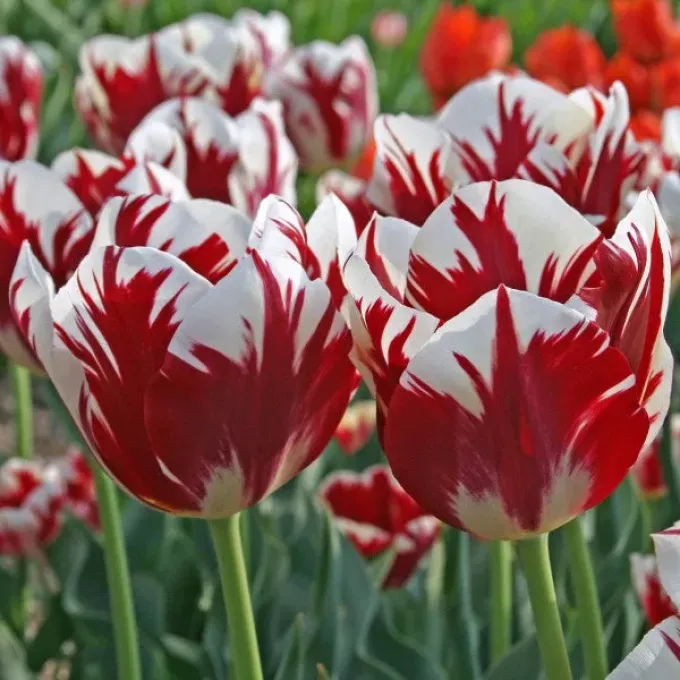
The iconic variegation, for which Rembrandt tulips are known, is biologically triggered by a mosaic virus. While visually stunning, this makes the plants more delicate compared to non-variegated cultivars.
Main diseases and pests
The primary threat to this group is the tulip breaking virus, which causes the famous color patterns but ultimately weakens the vigor of the bulbs over several years of cultivation.
Fungal pathogens such as Botrytis tulipae (fire blight) and Fusarium rot are common in humid environments. Promptly removing and destroying any infected plant material is vital to protect the rest of the collection.
Pests like aphids are particularly dangerous because they act as vectors for the breaking virus. Implementing a robust insecticide program during the growing season is essential for long-term health.
Bulb mites can cause significant damage to the root system, often leading to secondary infections. Use high-quality, treated bulb stock and ensure soil hygiene to mitigate these risks effectively.
To keep the garden healthy, avoid planting tulips in the same spot for at least three to four years, as pathogens can remain in the soil and infect new, healthy bulb plantings.
Harvesting
Bulb harvesting should occur once the foliage has turned yellow and withered but is still attached. Harvesting too early results in immature bulbs, while waiting too long makes it difficult to locate them.
After excavation, remove soil and debris and dry the bulbs in a shaded, well-ventilated area for several days. Keep them away from direct sunlight to prevent sunscald and excessive dehydration.
Store bulbs in breathable crates. The temperature should be kept at 20°C for the first few weeks, followed by a transition to 15-17°C, which is critical for flower bud development within the bulb.
Routine inspection during the storage period is mandatory. Discard any bulbs that show signs of softness, mold, or mechanical damage to ensure the safety of the remaining healthy inventory.
Proper harvest and storage practices are the foundation of a successful growing season. Maintaining stable environmental conditions preserves the viability of the bulb and ensures healthy, vibrant blooms.