
Persian tulip
Tulipa persica
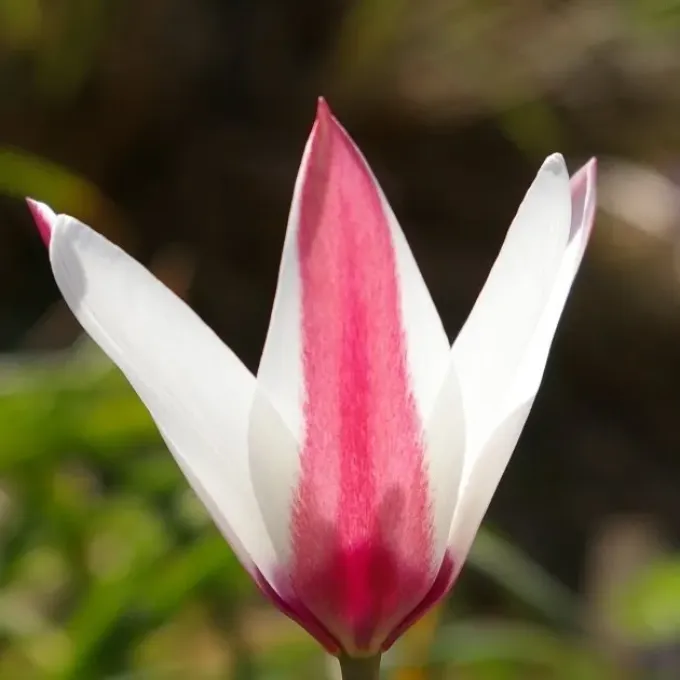
Description
Growing requirements
The Persian tulip (Tulipa persica) is a member of the Liliaceae family, known for its resilience and unique aesthetic appeal in rock gardens. Native to the mountainous regions of Iran, it is well-adapted to habitats with distinctive seasonal patterns.
Botanically, the plant is characterized by its low stature, narrow leaves, and vibrant yellow blooms. The outer tepals often display a distinctive bronze or greenish cast, providing a striking contrast to the bright interior of the flower.
In terms of cultivation, this species demands exceptionally well-drained, porous soils. It thrives in sandy or gritty substrates that prevent moisture accumulation, which is essential to avoid physiological stress and bulb rot.
As a sun-loving plant, it requires full exposure to solar radiation throughout the spring. It is highly suited for xeric landscaping, where low water input and high light intensity characterize the growing environment.
Commercially and horticulturally, the Persian tulip is utilized primarily as an ornamental specimen. Its ability to tolerate dry soil conditions makes it a valuable plant for sustainable garden designs and specialty horticultural collections.
Main diseases and pests
The most significant threat to Tulipa persica health is fungal infection, particularly Fusarium species, which thrive in poorly drained environments where moisture accumulates around the bulbs.
Pests such as bulb mites and aphids pose a recurring challenge for growers. These organisms can weaken the plant by feeding on root tissues and sap, leading to stunted growth or transmission of viral infections.
Integrated pest management strategies should be employed, focusing on the selection of clean, disease-free planting material and the use of preventative fungicidal dips before autumn planting.
During the dormant season, proper aeration and climate control in storage facilities are critical to preventing the proliferation of mold and bacterial pathogens.
Field scouting and the immediate removal of symptomatic plants help maintain the long-term viability of the population and prevent the spread of soil-borne diseases.