
Marjollet's tulip
Tulipa marjolletii
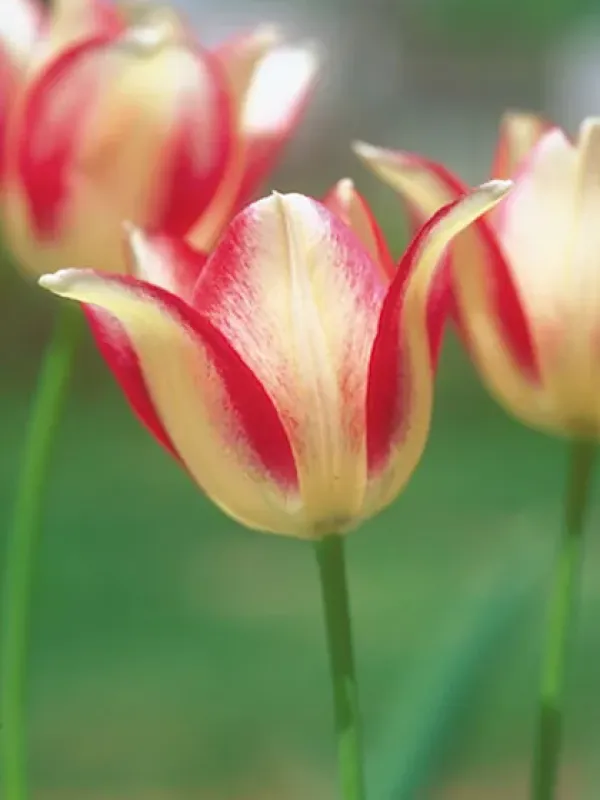
Description
Growing requirements
Marjollet's tulip (Tulipa marjolletii) belongs to the Liliaceae family. It is a rare botanical species native to the Alpine regions of France, specifically known from the Savoy area, where it grows in unique rocky habitats.
The plant requires well-drained, calcareous soils with a neutral or slightly alkaline pH. In its natural environment, it thrives on open, sunny slopes where the soil warms up quickly at the beginning of the spring growth cycle.
Light intensity is critical for the healthy development of this species. It demands full sun exposure to maintain its compact growth habit and ensure successful bloom, as shaded conditions often lead to foliage etiolation and lack of flowers.
Climate requirements involve a temperate, mountain-influenced cycle with clear periods of growth and dormancy. The bulbs need a cold, relatively dry winter rest period to initiate the development of the following season's floral structures.
Cultural practices should focus on minimal interference. Over-fertilization, especially with high-nitrogen products, must be avoided to prevent excessive growth that may weaken the plant's resistance to environmental stress.
Main diseases and pests
Gray mold (Botrytis tulipae) is one of the most common threats to the species, particularly in regions with high humidity. Ensuring proper air circulation around the plants is essential for effective disease prevention.
Fusarium basal rot is a significant concern that can destroy the bulb. This pathogen often thrives in warm, moist soils, making proper drainage the first line of defense against infection during the growing season.
Bulb mites and onion flies are major pests that can damage the root systems and bulbs, causing rapid decline of the specimen. Integrated pest management, including careful inspection of bulbs, is recommended before planting.
Aphids pose a dual threat as they not only damage the tender tissue but also serve as primary vectors for the tulip breaking virus. Preventing aphid infestations is crucial for maintaining the health of the entire collection.
Small rodents can cause extensive damage to bulbs during the dormant season. Implementing physical barriers such as wire mesh baskets at the time of planting is a highly effective way to protect these vulnerable plants.