
Flax-leaved tulip
Tulipa linifolia
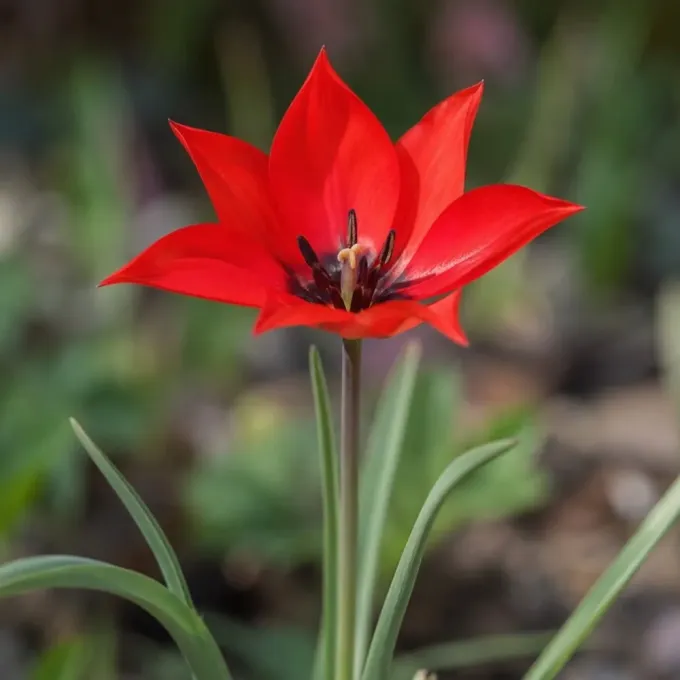
Description
Sowing dates
Planting of Tulipa linifolia bulbs should be performed in the autumn season, typically when soil temperatures drop to between 8 and 10 degrees Celsius, allowing roots to establish.
The planting depth should be approximately three times the height of the bulb, ensuring the plant is protected from severe temperature fluctuations during the dormant winter months.
It is crucial to select a site with excellent drainage to prevent bulb rot, which is a common problem caused by excessive soil moisture during the rainy season.
Incorporating organic matter and well-balanced fertilizers into the planting hole helps provide essential nutrients for strong spring growth and vigorous blooming.
Spacing between bulbs should be kept at 10–15 centimeters to ensure adequate airflow around the emerging foliage and to prevent competition for space and resources.
Growing requirements
Belonging to the Liliaceae family, the flax-leaved tulip originates from the arid mountain regions of Central Asia and thrives in rocky, sunny habitats with good drainage.
This species is highly drought-tolerant, reflecting its native environment, and performs best in light, sandy, or loamy soils with a neutral to slightly alkaline pH level.
Botanically, it is distinguished by its narrow, linear, flax-like leaves and vibrant, deep-red flowers that create a striking visual impact in rock gardens or borders.
Successful cultivation requires a period of dry summer dormancy, which is essential for the bulb to undergo the physiological processes necessary for next year's growth.
As a sun-loving plant, Tulipa linifolia demands full exposure to sunlight; shade will cause the stems to become weak and the flowering duration to shorten significantly.
Main diseases and pests
Fungal pathogens such as Botrytis and Fusarium are the primary threats, particularly in gardens with heavy, damp soil where ventilation is suboptimal.
Proactive management includes treating bulbs with fungicides before planting and ensuring the soil surface is kept clear of debris to prevent fungal accumulation.
Pests such as bulb mites and various species of nematodes can cause systemic damage to the plant, often leading to reduced vigor and eventual collapse of the bulb.
Rodents such as voles and mice are significant predators of tulip bulbs, making the use of wire mesh baskets or protective barriers during planting a recommended strategy.
- Ensure all planting tools are disinfected to prevent the spread of diseases between different garden beds.
- Monitor for early symptoms of nutrient deficiency or pest infestation to intervene before damage spreads.