
Lily-flowered tulip
Tulipa lily-flowered
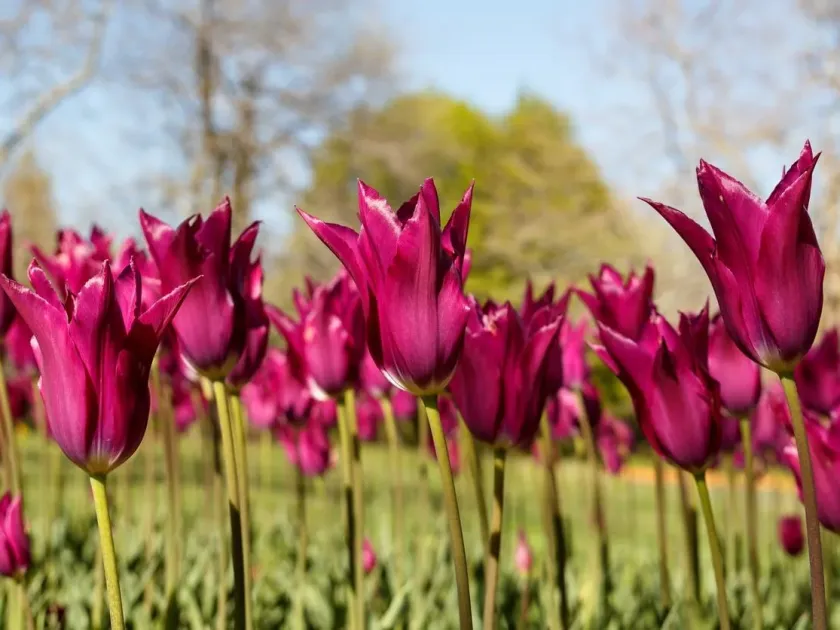
Description
Sowing dates
The planting of lily-flowered tulip bulbs is carried out in autumn when soil temperatures at a depth of 10–12 cm drop to 9–10 °C. This timing allows the plant to root effectively before the arrival of harsh winter frosts.
In temperate climates, the optimal window for bulb installation is during the second half of September or early October. Planting too early can cause tulips to sprout before winter, which significantly reduces their cold hardiness.
When planting, it is crucial to adhere to the standard depth, which is typically three times the height of the bulb itself. In sandy, loose soils, this depth can be slightly increased, whereas in heavy clay soils, it should be reduced to facilitate stem emergence.
Spacing between bulbs for cut flower production or landscape design should be between 10 and 15 cm. Such intervals ensure optimal ventilation, which is vital for preventing the spread of fungal infections during the growing season.
After completing the planting process, it is recommended to mulch the area with peat or compost. This practice helps retain soil moisture and protects young root systems from sudden temperature fluctuations during the rooting phase.
Growing requirements
The lily-flowered tulip belongs to the Liliaceae family and is highly valued for its unique flower shape featuring gracefully reflexed, pointed petals. These plants thrive in sunny locations that are well-protected from strong winds, as brittle stems can be damaged by heavy gusts.
The soil must be light, fertile, and have a neutral to slightly alkaline pH level. This culture is extremely sensitive to waterlogging; therefore, in areas with high water tables, it is essential to install an efficient drainage system.
During the active growing season, tulips require regular fertilization with balanced mineral compounds. Applications should occur when shoots appear, during the budding phase, and throughout flowering to ensure the development of a healthy replacement bulb.
Climatic conditions are a critical factor in the success of this species, as it prefers moderately cool spring weather. Prolonged heat during the flowering period can lead to premature stem desiccation and a significant decline in decorative quality.
To ensure annual blooming, lily-flowered tulips require digging up every year once the foliage has turned yellow. Bulbs should be dried in the shade, sorted, and stored in a dry, ventilated room at a stable temperature.
Yield
The productivity of the crop in commercial use is measured by the output of high-quality cut flowers. Lily-flowered tulips are characterized by sturdy stems ranging from 50 to 70 cm in height, making them highly desirable for the floral industry.
The propagation rate for this tulip group is moderate, which makes them more exclusive compared to mass-market varieties. With proper agrotechnical care, one mother bulb typically produces 1–2 high-quality daughter bulbs annually.
The yield of planting material depends directly on the timely application of potassium-phosphorus fertilizers after flowering. This practice ensures the full maturation of the new bulb and the accumulation of vital nutrients for the following season.
The quality of the cut flower is defined by bud density and stem length. It is recommended to harvest the flowers at the colored bud stage, when they begin to exhibit their characteristic lily-like silhouette, which extends their vase life.
Storage of cut flowers is managed at low temperatures, allowing for long-distance transport. Lily-flowered tulips are noted for their excellent transportability and superior ornamental properties.
Main diseases and pests
The most dangerous disease for lily-flowered tulips is "tulip breaking virus," which causes erratic streaking and color changes in petals. Infected specimens must be destroyed immediately, as the virus is easily spread by sucking insects.
Root and bulb rot, caused by fungi such as Fusarium or Botrytis, often occurs in waterlogged soil conditions. Prevention involves treating the bulbs with professional fungicide solutions before the planting process begins.
Among pests, the bulb mite causes the most significant damage by attacking the basal plate of the bulb during storage and growth. Weakened plants become more susceptible to bacterial infections, which can lead to total crop failure.
Aphids are the primary vectors for viral diseases; therefore, pest control measures should begin in early spring. The use of systemic insecticides is highly effective in managing pest populations within the tulip plantation.
Slugs and snails can severely damage leaves and flower buds, particularly in humid weather conditions. To protect the plants, it is recommended to use mechanical barriers or specialized granular molluscicides to repel these pests.
Harvesting
Bulb harvesting takes place when the aerial parts of the plant begin to yellow but have not yet fully dried. This period typically falls in June or early July, depending on the geographical region and seasonal weather variations.
It is important not to delay harvesting, as the bulb cluster may break apart once the stem dries completely. This leads to the loss of small "bulblets" in the soil, which complicates the collection of the total harvest.
Dug bulbs must be cleaned of soil remnants and dry scales, then spread in a single layer in a shaded area. Direct sunlight should be avoided during the first days of drying, as it can cause burns on the tender outer skin of the bulbs.
After initial drying, the bulbs are sorted by size. Large specimens are selected for sale or forcing, while smaller ones are grown on specialized nursery beds for 1–2 years until they reach commercial maturity.
Storage of the prepared material occurs in well-ventilated wooden crates. During the first few weeks, it is recommended to maintain a temperature of approximately 20–25 °C, gradually decreasing it to 15–17 °C as autumn approaches.