
Tulipa hoogiana
Tulipa hoogiana
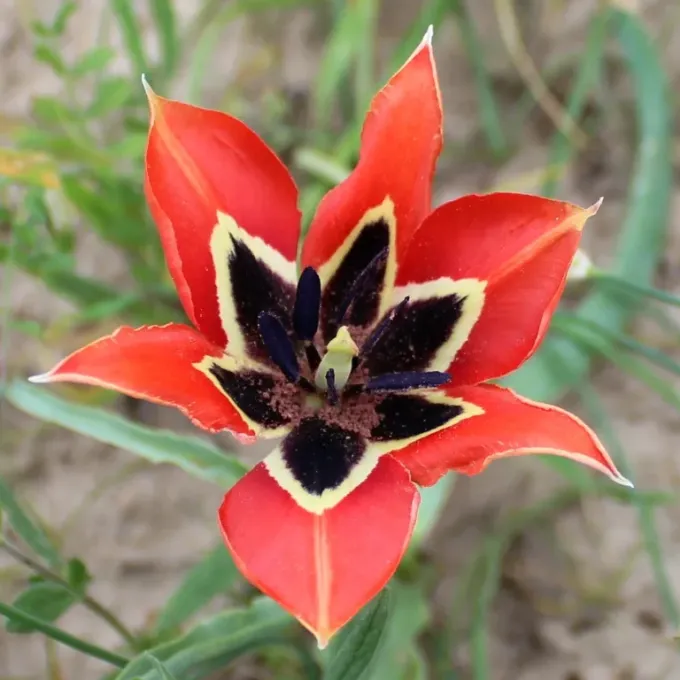
Description
Sowing dates
Planting Tulipa hoogiana bulbs should be done in the autumn when soil temperatures have cooled, ideally around 8 to 10 degrees Celsius.
Early planting allows for sufficient root development, which is essential for the bulb to survive the winter and produce vigorous growth in spring.
Seeds of this species require a period of cold stratification, making them best suited for outdoor sowing in containers during late autumn or winter.
Vegetative propagation is the most common method for home gardeners, involving the separation of offsets from the mother bulb after the foliage has died back.
When planting, ensure a depth of approximately three times the height of the bulb to protect it from extreme fluctuations in soil temperature.
Growing requirements
Tulipa hoogiana is a rare species within the Liliaceae family, native to the high-altitude rocky slopes of the Pamir-Alay mountain ranges.
This plant thrives in environments that mimic its natural habitat, requiring excellent drainage to prevent bulb rot, which is its primary vulnerability.
Full sunlight is a critical requirement for this species, as it needs intense light to develop its characteristic vibrant blooms and sturdy stems.
The soil should be gritty and well-aerated, ideally a mix of sandy loam and mineral additives that facilitate rapid drainage during the active season.
During the summer dormancy period, the bulbs must remain dry and warm to simulate the arid conditions of their natural mountain environment.
Main diseases and pests
The most significant threats to Tulipa hoogiana are fungal pathogens such as Botrytis, which flourish in poorly drained, overly moist conditions.
Pests like the narcissus bulb fly and various species of mites can damage the underground bulb tissue, often leading to secondary infections.
Integrated pest management, including the use of systemic fungicides and careful site selection, is crucial for maintaining a healthy tulip collection.
Rodents, particularly voles, are attracted to tulip bulbs and may require protective measures such as wire mesh baskets during the planting process.
Frequent monitoring of the plants for symptoms of viral diseases is necessary, as infected plants should be removed to protect the remaining collection.