
Fergana tulip
Tulipa ferganica
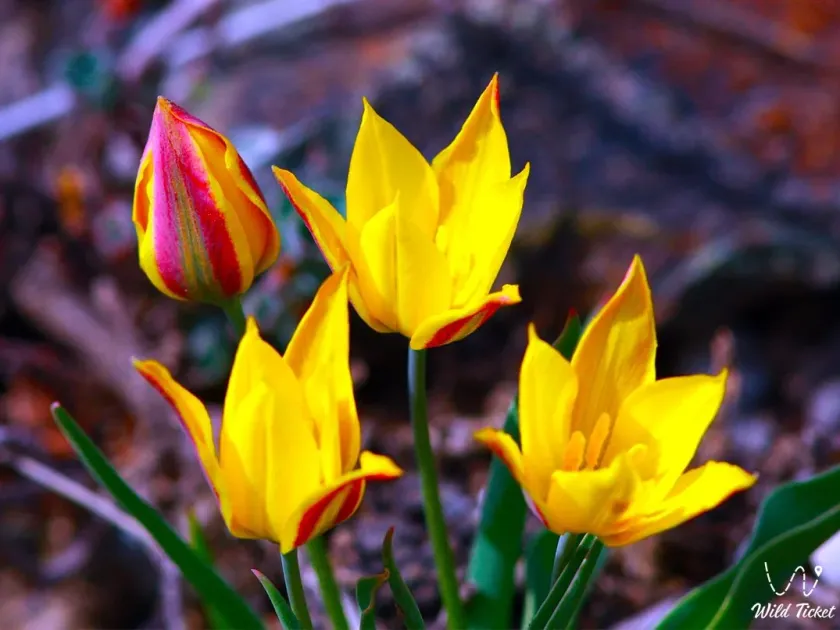
Description
Growing requirements
The Fergana tulip (Tulipa ferganica) is a distinct member of the Liliaceae family, native to the Fergana Valley region. It is a bulbous perennial species characterized by a specialized life cycle adapted to semi-arid mountain environments.
The cultivation of this species requires well-drained, sandy, or rocky soils that prevent water stagnation. Proper drainage is essential to mimic the plant's natural habitat and ensure the longevity of the bulbs.
Sunlight exposure is a critical factor for the development of Tulipa ferganica. The plants perform best in full sun, which supports the rapid growth and flowering stages characteristic of early spring.
Temperature requirements are closely linked to the continental climate of its origin, involving distinct seasonal shifts. The plant relies on a cold winter dormancy followed by a warming spring to initiate its growth phase.
Agricultural management must prioritize a dry summer dormancy period. Unlike many garden hybrids, this species requires a complete cessation of moisture after the foliage dies back to prevent physiological stress.
Main diseases and pests
Fungal diseases, specifically Fusarium and Botrytis, pose the greatest threat to the Fergana tulip, especially in climates with high humidity or poor soil drainage.
Bulb mites and onion flies are the primary pests that can infest the bulb tissues. Proactive treatment of planting sites and healthy bulbs is recommended for sustainable growth.
Viral infections such as tulip breaking virus are significant threats that can cause permanent color changes in petals. Infected plants should be isolated and destroyed to prevent spread.
Rodents such as voles and mice often target bulbs during the winter months. Using wire baskets or hardware cloth is a standard protective measure for rare botanical species.
Improper fertilization, particularly excessive nitrogen, can lead to weakened tissue, making the plants more susceptible to pathogens and reducing their overall life span.