
Cyprus tulip
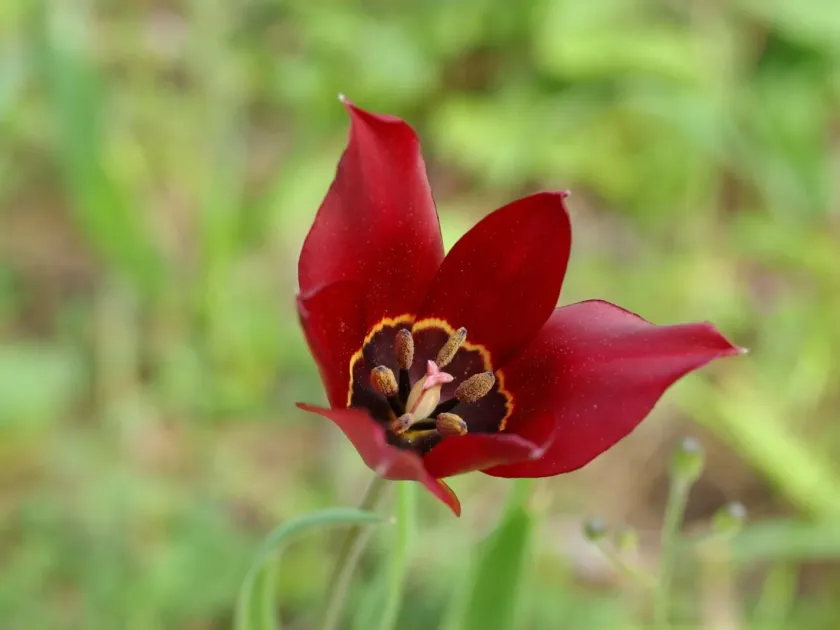
Tulipa cypria
Description
Growing requirements
The Cyprus tulip is a rare species belonging to the Liliaceae family, characterized by its restricted native range on the island of Cyprus. It is a perennial herbaceous plant with high conservation value.
Botanically, it thrives in environments with high light intensity and requires specific Mediterranean conditions to complete its life cycle. It is adapted to rocky, calcareous soils that are typical for its endemic regions.
The climate requirements include a distinct wet growing season during winter and spring, followed by a hot, dry summer. The bulb must remain dry during the dormant summer period to survive.
Cultivation practices involve strict soil management, focusing on excellent drainage to prevent bulb rot. Any excess moisture during the resting phase will cause significant physiological damage to the plant.
Because it is not a common agricultural crop, its cultivation is largely restricted to scientific collections, botanical gardens, and specialized horticultural research aimed at preservation.
Main diseases and pests
The primary threat to the species is habitat loss due to land development and intensive agricultural practices in its native range. This fragmentation severely limits natural pollination and reproduction.
Pathogenic fungi represent a major threat, particularly during wet winters. These organisms can cause rapid rot of the bulb and roots, leading to the collapse of local clusters.
Pests such as bulb flies and various rodents pose a risk by damaging the underground storage organs. These infestations often occur when the plant is stressed by environmental factors.
Invasive weed competition is another significant challenge, as the Cyprus tulip cannot easily compete for resources in degraded habitats. Monitoring and habitat protection are crucial for its survival.
Environmental fluctuations, including unseasonal drought or extreme frost, can hinder seed production. As an endemic, its vulnerability to climate change remains a key concern for botanists.