
Clusius tulip
Tulipa clusiana
Description
Growing requirements
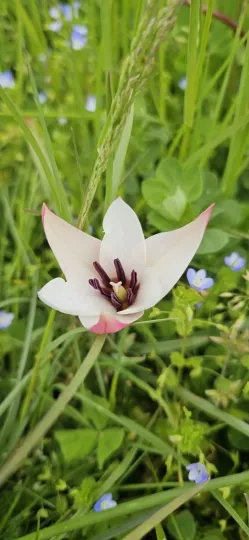
The Clusius tulip (Tulipa clusiana) belongs to the Liliaceae family and is recognized as one of the most elegant botanical species. The plant is characterized by narrow, glaucous-green leaves and graceful buds that open into star-shaped flowers with a contrasting dark center under sunny conditions.
This species is native to Central Asian regions, including Iran, Afghanistan, and Pakistan. Its cultivation range spans areas with a temperate climate, where the plant is valued for its high decorative appeal and its ability to naturally integrate into garden landscapes.
The crop has specific requirements for lighting: for optimal flowering, it needs open, sunny locations protected from strong winds. The plant is highly sensitive to excessive moisture, making it critical to provide effective drainage that prevents water stagnation around the bulbs.
Soil preferences include light, well-aerated sandy loam or loam substrates with a neutral or slightly alkaline pH. Heavy clay soils require the pre-application of sand and compost to improve structure, which allows the bulbs to develop fully throughout the growing season.
Agronomic practices include moderate watering during the active growth phase and a mandatory rest period after the foliage dies back. The plant demonstrates excellent winter hardiness in temperate regions, though in northern latitudes, soil mulching is recommended to protect against sharp temperature fluctuations.
Main diseases and pests
The primary threat to the crop includes fungal diseases that develop when the water regime is disrupted. Gray mold (Botrytis) is commonly observed, affecting leaves and flower stalks when humidity levels in the air and soil are elevated.
Bulbs are at risk of Fusarium wilt and Penicillium rot, especially during improper storage. To prevent the spread of infections, it is necessary to strictly adhere to ventilation protocols and conduct preventive treatment of planting material with fungicides before placing it in the ground.
Among pests, the greatest danger is posed by onion fly larvae and bulb mites. These insects damage the basal plate of the bulb, leading to the weakening of the plant and subsequent death of vegetative organs, making regular inspection of the planting beds essential.
Aphids and thrips can damage buds and young shoots by sucking cell sap. Management of these pests relies on the use of systemic insecticides, as well as adherence to standard agricultural practices, including systematic weed control.
Nematodes can also attack the root system, causing leaf deformation and growth stagnation. Prevention involves selecting disease-free planting material and practicing crop rotation, ensuring bulbous plants are not returned to the same site for at least 4 to 5 years.