
Billet tulip
Tulipa billetiana
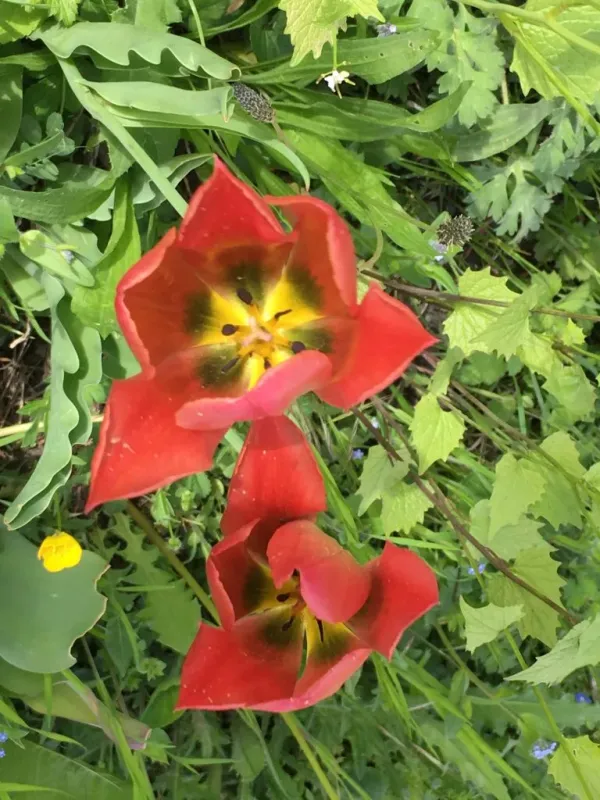
Description
Growing requirements
Billet tulip (Tulipa billetiana) is a perennial bulbous plant belonging to the Liliaceae family. Originating from mountainous regions in Turkey, it is adapted to high-altitude environments characterized by distinct seasonality and rocky, well-drained soil substrates.
The botanical structure of this species includes slender stems and lanceolate foliage, often displaying a glaucous color. The flowers are notable for their specific pigmentation and structure, which reflect their wild heritage and aesthetic value for collectors.
Optimal cultivation requires loose, sandy soil with excellent drainage properties. Standing water is strictly prohibited, as the bulbs are highly susceptible to rot during the dormant stage; therefore, raised beds or sloped terrains are recommended.
Exposure to full sunlight is essential for this species to complete its life cycle effectively. Adequate light intensity supports the development of robust stems and ensures the chemical processes required for flower formation in the following season.
Climatic conditions should provide a warm, dry summer period, allowing the bulbs to mature fully. Irrigation should be minimized after the foliage fades to mimic the natural habitat conditions of the species.
Main diseases and pests
Fungal pathogens such as Botrytis and Fusarium pose a significant risk to Billet tulip. These diseases thrive in humid environments, emphasizing the importance of keeping the soil surface dry and well-aerated during the growth season.
Bulb rot is the most detrimental issue, often caused by stagnant moisture. Implementing a strict fungicide treatment protocol during the planting stage is highly recommended to minimize losses in the bulb population.
Pests, particularly bulb mites and onion flies, can compromise the integrity of the underground parts. Regular scouting of the plantation area is necessary to detect early signs of infestation and apply corrective measures.
Viral diseases, which cause variegated patterns on leaves and petals, are irreversible. Infected plants must be isolated and removed immediately to prevent the spread of the virus to healthy specimens in the collection.
Vertebrate pests like rodents require protective measures, such as wire mesh or physical barriers, to prevent them from excavating the bulbs. Protecting the bulbs is a standard part of successful bulbous plant management.