
Tulipa batalinii
Tulipa batalinii
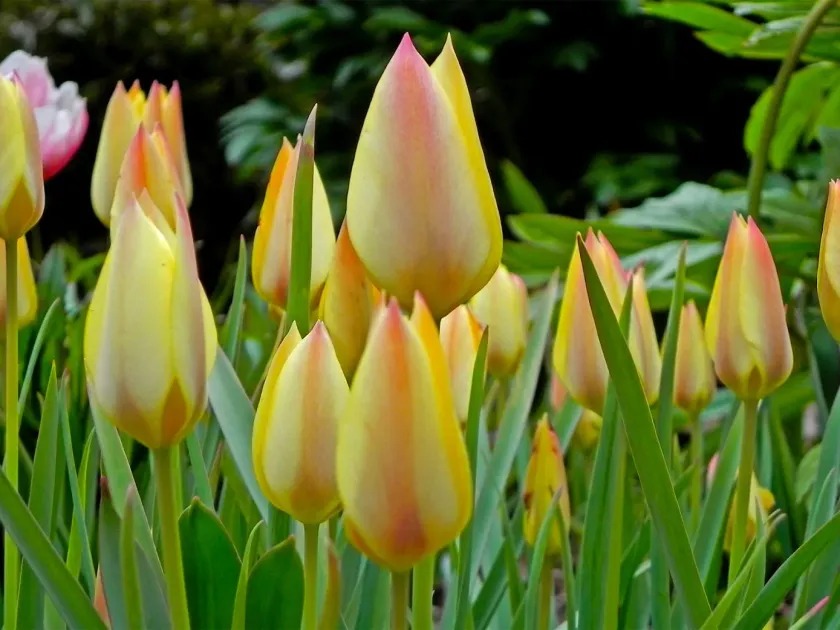
Description
Sowing dates
Tulipa batalinii is a perennial bulbous plant, and the optimal time for planting is during the autumn season, typically September to October.
Planting depth should be approximately three times the diameter of the bulb, ensuring the bulbs are placed in well-drained, fertile soil.
This species thrives in areas with full sun exposure, which is essential for healthy root development before the onset of winter dormancy.
When sowing in flower beds, maintain proper spacing to allow for healthy air circulation and individual bulb development over several years.
Late autumn planting helps prevent premature sprouting, ensuring the plants emerge at the correct time during the following spring season.
Growing requirements
Originating from Central Asian mountain regions, Tulipa batalinii belongs to the Liliaceae family and is highly adapted to stony, mineral-rich soils.
The plant requires excellent drainage, as constant moisture will inevitably lead to rot, which is the most significant threat to the bulb structure.
Soil pH levels should ideally be neutral or slightly alkaline to facilitate the optimal uptake of essential nutrients during the spring growth phase.
Tulipa batalinii exhibits remarkable resilience to drought, making it an excellent candidate for xeriscaping or rock garden designs.
Providing a consistent supply of phosphorus and potassium fertilizer in early spring can significantly enhance the bloom quality and bulb vitality.
Main diseases and pests
Fungal diseases such as grey mould (Botrytis) and fusarium rot are the primary threats, especially in areas with poor drainage or high humidity.
Proactive treatment of bulbs with a systemic fungicide before planting is a standard agricultural practice to minimize the risk of infection.
Pests like onion mites and various nematode species can compromise the health of the bulb, often requiring soil treatment if infestations persist.
Rodents such as voles can cause severe damage during the winter, making the use of wire mesh baskets a recommended protective measure.
Maintaining a clean garden environment by removing dead foliage and debris reduces the habitat for pests and pathogens throughout the year.
Harvesting
Harvesting should be delayed until the foliage has turned yellow and dried completely, which signals that nutrients have been transferred back to the bulb.
Careful excavation is necessary to preserve the integrity of the mother bulb and any offsets, ensuring the longevity of the plant collection.
Once harvested, bulbs must be thoroughly cleaned, dried in a shaded and well-ventilated area, and sorted by size to ensure consistent growth.
Proper storage conditions involve a cool, dry, and dark environment, preventing temperature fluctuations that could lead to premature bud initiation.
Frequent monitoring during the storage period allows for the immediate removal of any compromised bulbs, protecting the rest of the seasonal stock.