
Aximensis Tulip
Tulipa aximensis
Description
Growing requirements
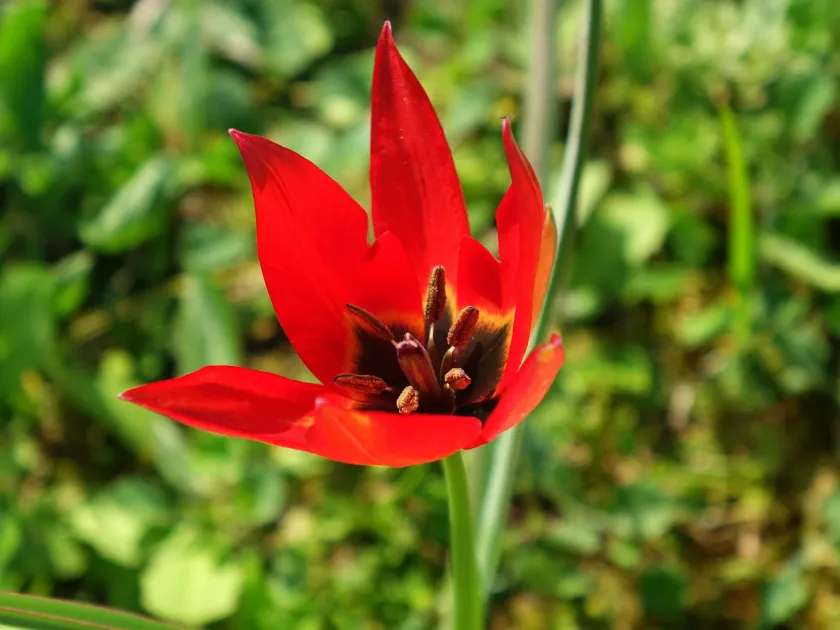
The Aximensis Tulip (Tulipa aximensis) is a rare perennial bulbous species belonging to the Liliaceae family. It is an endemic plant with a restricted natural distribution, primarily found in the mountainous terrain of the Aime region in France.
Biologically, this species is classified as an ephemeral bulbous plant. Its development cycle is highly synchronized with seasonal weather patterns, requiring a cool, moist spring for growth and a warm, dry summer period for the bulb to mature underground.
The cultivation of Tulipa aximensis requires well-drained, porous soils. Soil composition should be light, preferably a mix of loam and sand, to ensure that water does not remain near the bulb, which could lead to fatal rot.
Environmental conditions must favor full sun exposure during the spring growing season. Any obstruction to sunlight, such as dense shrubbery or trees, will prevent the bulb from storing enough energy to flower in the following year.
Agronomic practices focus on maintaining the correct balance of moisture. While the plant thrives during the initial growth stages, it is essential to ensure that the site is kept relatively dry once the foliage begins to turn yellow and wither.
Main diseases and pests
The primary health threats for this species are fungal infections such as Fusarium oxysporum and Botrytis tulipae. These pathogens thrive in stagnant, poorly ventilated conditions, leading to the rapid decay of the bulb.
Pests, particularly bulb mites and aphids, pose a constant risk during the growing season. They can damage the bulb tissue and stunt the growth of the shoots, potentially carrying secondary viral infections.
Preventive measures include strict sanitation practices, such as solarizing the soil or using sterile potting mediums, and treating bulbs with fungicides before planting to eliminate latent fungal spores.
Monitoring the plant for signs of stress is crucial. Yellowing leaves not associated with the natural end-of-season dormancy may indicate root system issues or nutrient deficiencies that require immediate agronomic intervention.
Implementing a proper crop rotation system is recommended to minimize the accumulation of soil-borne pathogens, ensuring the long-term health and stability of the Tulipa aximensis population in the garden.