
Armenian tulip
Tulipa armena
Description
Growing requirements
The Armenian tulip (Tulipa armena) is a perennial bulbous plant belonging to the Lily family (Liliaceae). Native to the mountainous regions of the Caucasus, Turkey, and Iran, this species is well-adapted to rocky environments and harsh, fluctuating climates.
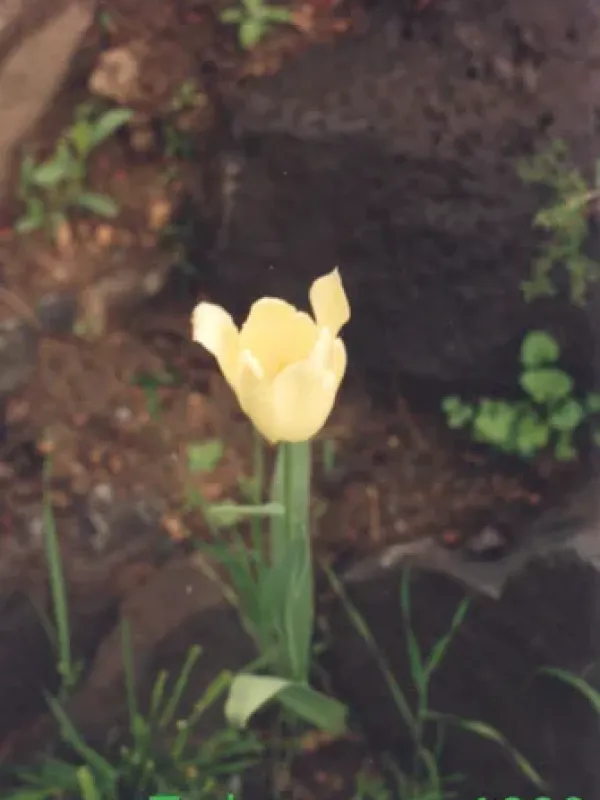
Botanically, it is a short-stemmed plant typically reaching heights between 10 to 25 centimeters. It features lanceolate leaves with undulating margins and a distinct glaucous color, contributing to its aesthetic appeal in rock gardens and landscapes.
Cultivation of Tulipa armena requires well-drained, porous soils that mimic its natural stony habitat. Moisture stagnation in the soil during the dormancy period is fatal to the bulbs; therefore, excellent drainage is the primary prerequisite for its successful growth.
The plant thrives in full sun exposure. Sunlight is crucial for both its blooming process and the maturation of the bulb after flowering, as it allows the plant to store enough energy for the following season's growth cycle.
Its primary agricultural and horticultural utility lies in landscape design, specifically for rock gardens, xeriscaping, and botanical collections. It is valued by horticulturists for its resilience and unique, bright-colored perianth.
Main diseases and pests
The most significant threats to Tulipa armena are fungal pathogens, specifically those causing basal rot and gray mold (Botrytis). These pathogens flourish in poorly drained soils where excess moisture compromises the health of the bulb.
Pests such as bulb mites are a persistent concern. They feed on the basal plate of the bulb, creating openings that facilitate secondary bacterial infections and severely stunt the growth of the tulip during the spring season.
Aphids and thrips are common insect pests that impact the aesthetic quality of the tulips. They target the foliage and flower buds, and, more importantly, they are known vectors for various viruses that can cause leaf yellowing and color breaking in the petals.
Small mammals, particularly voles and mice, pose a high risk during winter. They often forage on the stored nutrients within the bulbs, potentially destroying entire clusters of plants if appropriate protective barriers or traps are not implemented.
Preventive maintenance includes routine fungicide applications for bulbs and maintaining proper soil aeration. Removing diseased plant parts promptly is essential to prevent the spread of pathogens throughout the planting area.