
Wilson's lily
Lilium wilsonii
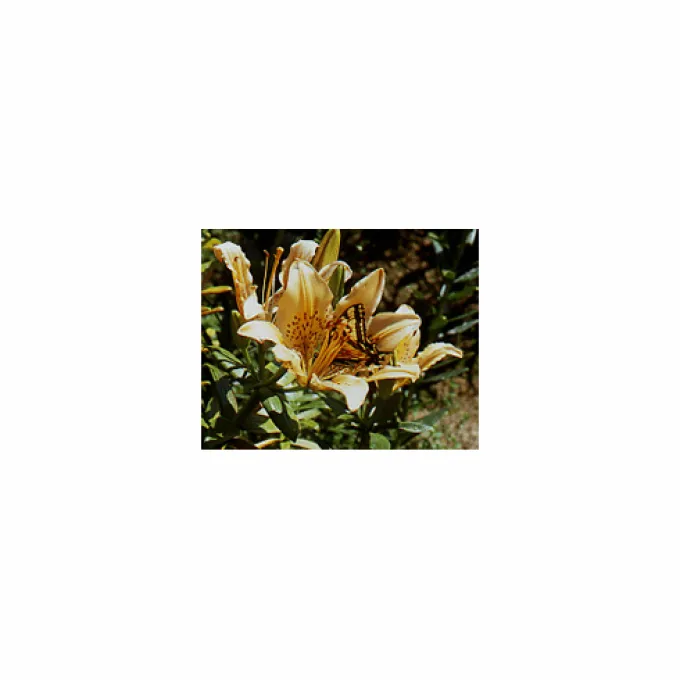
Description
Growing requirements
Wilson's lily (Lilium wilsonii) is a perennial bulbous plant belonging to the Liliaceae family. It is native to the mountainous regions of Japan, where it has adapted to specific ecological conditions characterized by well-drained slopes.
Successful cultivation requires soil that is loose, fertile, and slightly acidic. The presence of adequate drainage is critical, as excess moisture in the root zone leads to bulb rot, which is a major limiting factor for this species.
The plant prefers partial shade or dappled sunlight. Intense direct midday sun can stress the plant and reduce the lifespan of the flowers, making location selection a fundamental aspect of its horticultural management.
The agronomic requirements include consistent moisture during the active growing season. Mulching is highly recommended to protect the root system from overheating, maintaining a stable temperature environment for the bulbs.
In colder regions, winter protection is necessary to prevent frost damage to the bulbs. Applying a thick layer of organic mulch or pine needles provides the insulation required for the plant to successfully survive the dormant winter phase.
Main diseases and pests
Fungal diseases, such as Botrytis (gray mold), pose the most significant threat to this lily species. High humidity and stagnant air are the primary drivers of infection, making good ventilation essential for plant health.
Fusarium wilt, which affects the basal plate of the bulb, is another serious condition. Preventive measures include ensuring the bulbs are free of damage during planting and using sterile, well-draining potting mixes or soils.
The lily beetle is a common pest that feeds on leaves and developing flower buds. Vigilant monitoring and physical removal of the beetles are effective for small-scale gardening, while systemic insecticides may be needed for larger populations.
Aphids represent a twofold risk: direct sap feeding and the transmission of harmful plant viruses. Managing aphid populations through integrated pest management strategies is crucial for maintaining the vigor of the lily collection.
To ensure long-term sustainability, growers should practice crop rotation and avoid planting bulbs in the same spot for multiple years. Sanitation and the removal of infected plant debris are standard practices to minimize pathogen buildup in the soil.