
Swamp lily
Lilium superbum
Description
Growing requirements
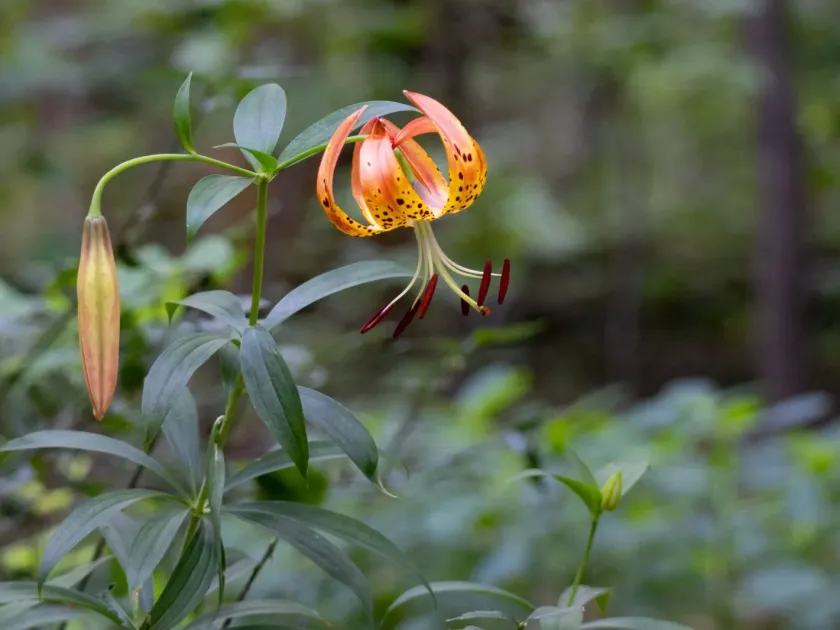
Swamp lily, or Lilium superbum, is a robust species within the Liliaceae family, known for its dramatic height and intricate, recurved flower structure. It is a perennial bulbous plant native to the moist forests and meadows of the Eastern United States.
Botanically, the species is distinguished by its whorled leaves and impressive inflorescences that can carry up to 40 flowers on a single stem. The plant is prized for its survival instincts in temperate climates and its ability to thrive in specialized ecological niches.
Climate-wise, the plant prefers regions with cool, moist summers and a distinct dormancy period during the winter. Excessive heat can stress the bulb, so positioning in semi-shaded areas is often recommended for garden environments.
Soil requirements are quite specific; the plant thrives in acidic, humus-rich soil that retains moisture but provides excellent drainage. Sandy loam amended with organic matter provides the ideal foundation for root development.
Agronomic maintenance includes regular irrigation during the active growth phase, especially during dry spells. Mulching is highly recommended to mimic the natural forest floor environment, keeping the soil cool and suppressing weed growth.
Main diseases and pests
The lily leaf beetle represents the most significant insect threat to this species. Its larvae cause substantial defoliation, which can weaken the bulb and diminish the following year's bloom potential.
Botrytis blight is the primary fungal concern, appearing as necrotic spots on leaves and flowers. High humidity and poor air circulation are the main environmental factors that accelerate the spread of this pathogen.
Fusarium basal rot can become a major issue if the soil remains waterlogged. Ensuring that the bulbs are planted in well-drained substrate significantly reduces the risk of subterranean fungal infections.
Aphids not only extract sap but also act as vectors for various plant viruses, which can lead to stunted growth and permanent mosaic patterns on the foliage.
Integrated pest management strategies involve a combination of biological control agents and targeted chemical applications. Maintaining plant hygiene by removing diseased debris is essential for long-term health.