
Sargent's lily
Lilium sargentiae
Description
Growing requirements
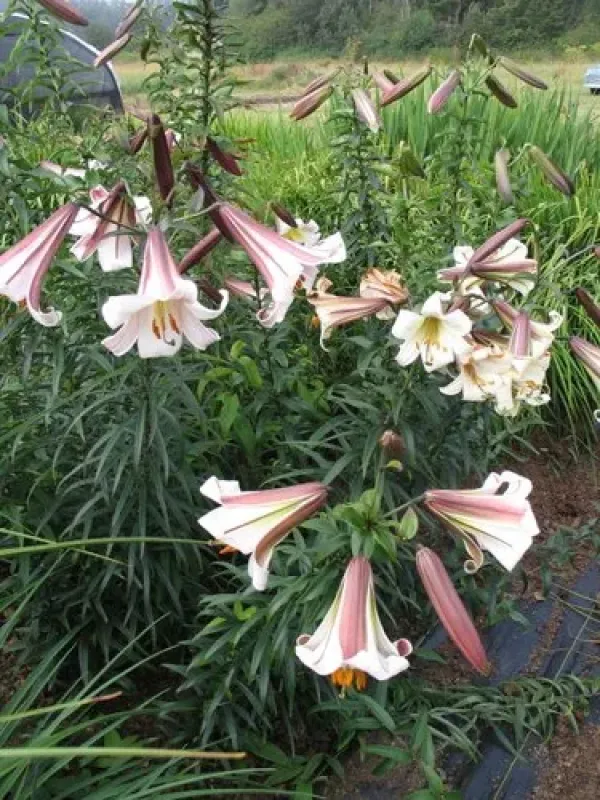
Sargent's lily (Lilium sargentiae) belongs to the Liliaceae family and is native to the mountainous regions of China. It is a highly valued ornamental plant known for its large, fragrant, trumpet-shaped flowers.
The culture requires well-drained, nutrient-rich soil with a slightly acidic to neutral pH. Providing good aeration for the roots is essential to prevent bulb decay, which is common in stagnant water conditions.
It performs best in locations that offer partial shade for the base of the plant, as the roots prefer cool, moist soil while the upper stems and blooms can tolerate more exposure to sunlight.
In terms of climate, it demands protection from extreme cold. Applying a thick layer of mulch in late autumn is a standard practice to insulate the bulbs against winter frosts in temperate regions.
Consistent moisture is needed during the active growing season, but watering should be tapered off toward the end of summer to allow the bulb to enter dormancy properly for the next cycle.
Main diseases and pests
The species is particularly susceptible to Botrytis blight (gray mold), which flourishes in humid environments. Proper spacing and good airflow are crucial to minimize the risk of infection.
Fusarium bulb rot is a significant threat that often stems from poor drainage or contaminated planting material, requiring rigorous selection of healthy bulbs and fungicidal treatment.
Lily beetles (Lilioceris lilii) are the primary insect pests. They can defoliate the plant quickly if not controlled manually or with appropriate contact insecticides during the early stages of infestation.
Aphids pose a threat not only through sap-feeding but also by acting as vectors for various plant viruses, which cause irreversible damage to the morphology of the lily.
Effective management includes maintaining overall plant health through balanced nutrition and rapid removal of any tissues showing early symptoms of blight or mechanical damage.