
Pink Japanese Lily
Lilium rubellum
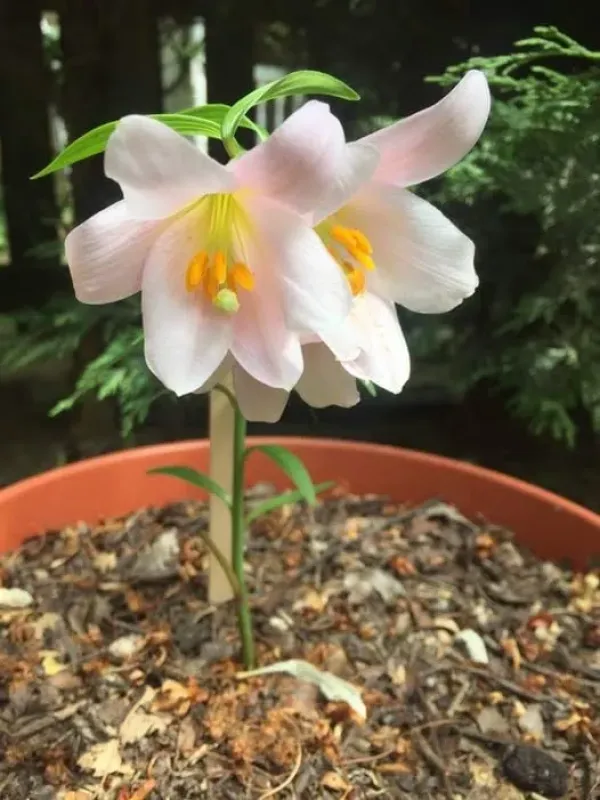
Description
Growing requirements
The Pink Japanese Lily (Lilium rubellum) is a member of the Liliaceae family. It is a bulbous perennial species native to the mountainous regions of Honshu, Japan, typically growing in forest clearings and on rocky slopes.
This species requires specific growing conditions, favoring sites with partial shade. The plant thrives in well-drained, slightly acidic soils rich in humus, which mimic its natural mountainous habitat.
Proper air circulation is crucial for this lily, as it helps prevent humidity-related issues. The roots must be kept cool; therefore, mulching or planting low-growing companions around the base of the lilies is highly recommended.
Cultivation practices involve avoiding waterlogging at all costs. The soil should remain consistently moist but never soggy, especially during the active growth phase, as stagnant water is fatal to the bulbs.
In terms of temperature, this plant prefers cool, temperate conditions. Extremely hot summers without proper moisture management can lead to early dormancy and reduced bloom quality in the following season.
Main diseases and pests
Botrytis, or gray mold, is one of the most significant fungal threats to Lilium rubellum. It manifests as spots on foliage and can spread rapidly during periods of high humidity and poor ventilation.
Fusarium root rot remains a primary concern for growers. It is usually caused by heavy, compacted soils that do not provide adequate drainage for the bulb's root system during winter months.
The scarlet lily beetle is a notorious pest that can cause extensive defoliation. Growers should conduct regular inspections during spring and summer to remove both the adults and the larvae manually.
Aphids pose a dual threat: they cause direct damage by feeding on plant sap and act as primary vectors for viral diseases such as lily mosaic virus, which causes stunted growth and distorted leaves.
Root-lesion nematodes are soil-borne pests that can impair the bulb's ability to absorb nutrients. To manage this risk, ensure that new bulbs are sourced from reputable suppliers and that the planting site is cleaned of debris.