
Coral lily
Lilium pumilum
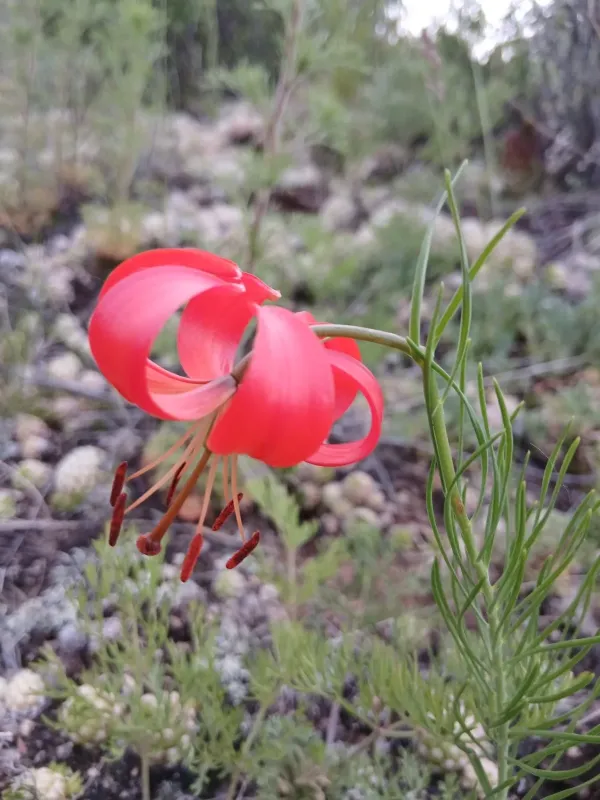
Description
Sowing dates
Seed propagation is the most common and effective method for the Coral lily (Lilium pumilum). Seeds are typically sown in pots or cold frames during the early spring, around March, to allow for a long growing season.
For outdoor sowing, seeds can be placed in the ground in October, allowing for natural winter stratification. Seeds should be covered with a thin layer of fine soil, no deeper than 1.5 centimeters.
The germination of Lilium pumilum is often slow and requires patience. In the first year, the plant develops only a single grass-like leaf and a small bulb, making it essential to keep the nursery bed undisturbed.
Vegetative propagation via bulbils or offsets is also possible. These offsets are harvested during the plant's dormant period, usually in the late summer, and replanted to ensure rapid development of new flowering stalks.
The growing medium for seedlings must be well-drained and light, consisting of a mix of leaf mold, peat, and coarse sand. Avoiding excessive moisture in the germination stage is crucial to prevent seedling damping-off.
Growing requirements
The Coral lily is a member of the Liliaceae family and is native to the rocky slopes of Eastern Asia. It thrives in open, sunny locations where it can receive maximum light throughout the day.
The ideal soil for this species is porous, fertile, and slightly acidic to neutral. Since this plant grows naturally in rocky terrain, drainage is the most critical factor; heavy clays should be amended with organic matter and grit.
Climatically, Lilium pumilum prefers cool, well-ventilated areas. In extremely hot summers, mulching the base of the plant is necessary to keep the soil cool and prevent the bulbs from overheating and losing moisture.
This species is highly cold-hardy, making it a reliable choice for temperate climates. It does not require special winter protection in most regions, although a light layer of mulch can help moderate soil temperatures.
Proper spacing is important to maintain airflow between plants, which is the best defense against airborne diseases. Aim for a density that allows each plant to receive adequate sunlight without excessive competition for nutrients.
Main diseases and pests
The primary fungal threat to Lilium pumilum is Botrytis blight, which can devastate foliage during humid or rainy weather. Maintaining good sanitation and airflow is the first line of defense against this pathogen.
Fusarium rot is another significant concern that targets the bulb and roots. It is often triggered by poor drainage or damage to the bulb scales during planting, necessitating the use of systemic fungicides.
Lily beetles are the most notorious pests for this species, as they can quickly skeletonize the leaves. Manual removal of the bright red adults and their larvae is the most effective control method for small plantings.
Aphids can be problematic not just because they feed on plant sap, but because they act as vectors for various mosaic viruses. Consistent monitoring and the use of insecticidal soap can keep aphid populations in check.
A proactive approach to garden hygiene, including the removal of all decaying plant debris in the autumn, significantly reduces the overwintering capacity of these diseases and pests.
Harvesting
Harvesting seeds requires careful timing. The seed pods should be gathered when they begin to turn yellow and dry, but before they split open, which would result in the loss of the seeds to the ground.
Bulbs are best harvested or divided during the dormant season, which begins once the foliage has completely withered and died back. This typically occurs in late summer or early autumn, depending on the region.
When lifting bulbs, use a garden fork to avoid slicing or damaging them. Carefully clean the soil from the roots and discard any bulbs that show signs of rot, mold, or mechanical damage.
Stored bulbs should be kept in a cool, dark, and well-ventilated space. They are best preserved in slightly damp peat or sand to maintain humidity without encouraging fungal growth during the long winter storage.
In terms of agricultural use, the Coral lily is primarily valued as an ornamental species for rock gardens and borders, and it remains a vital subject in lily breeding for its early flowering and vibrant color.