
Wood lily
Lilium philadelphicum
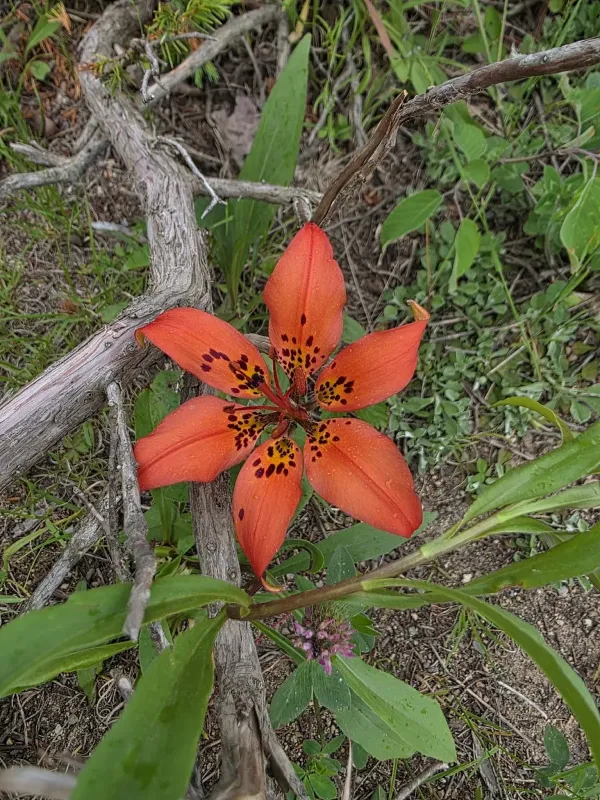
Description
Growing requirements
The wood lily (Lilium philadelphicum) belongs to the Liliaceae family. It is a perennial herbaceous bulbous plant native to North America, often found in prairies, meadows, and open woodland habitats.
Cultivation requires well-drained, slightly acidic soil rich in organic matter. The plant thrives in locations with full to partial sun exposure, mimicking its natural habitat in open grassy or sparsely forested areas.
Regarding climatic conditions, the wood lily is adapted to temperate climates with distinct seasons. While generally hardy, the bulbs require protection against extreme frost in winter, usually achieved through a layer of mulch.
Agricultural management focuses on avoiding waterlogged soil, which causes bulb decay. Ensuring the soil has adequate aeration and porosity is essential for the longevity of the bulbs and the overall health of the root system.
The primary use of the wood lily is ornamental. It is highly sought after by gardeners who specialize in native plant collections, serving as a distinctive focal point due to its vibrant orange-red upright flowers.
Main diseases and pests
The most common disease threats include fungal infections such as Botrytis blight, which targets foliage in humid conditions, and Fusarium bulb rot, which can cause total failure of the plant if soil drainage is poor.
Major pests affecting this culture include the red lily beetle, which feeds on the leaves and can defoliate plants rapidly. Monitoring for larvae early in the season is critical for maintaining healthy, ornamental specimens.