
Oriental lily
Lilium oriental
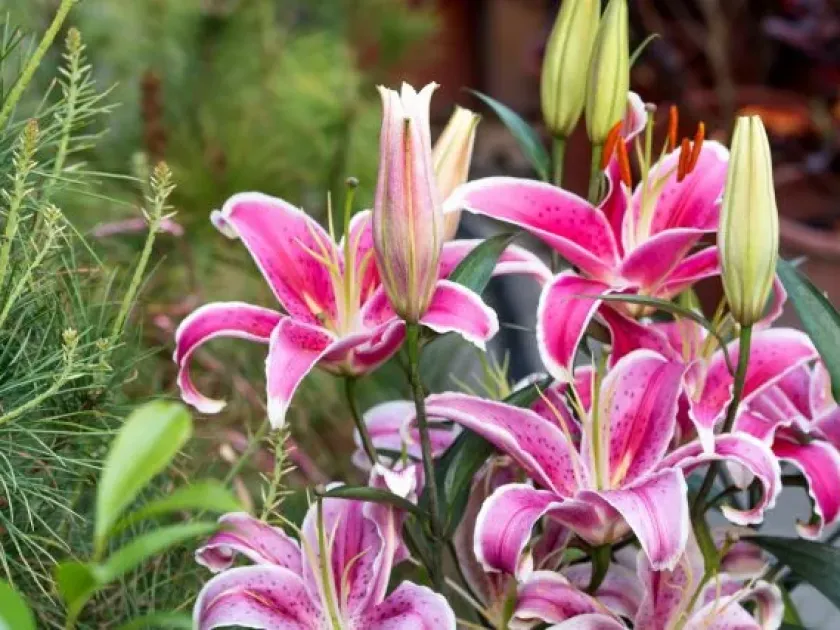
Description
Sowing dates
The planting of the Oriental lily (Lilium oriental) usually occurs in early autumn, allowing the root system to establish itself before the ground freezes. This timing is critical for ensuring a vigorous start in the following spring season.
In regions with harsh winters, spring planting is recommended after the danger of severe frost has passed. The soil should be well-prepared and loosened to a depth of at least 30 centimeters to facilitate proper root development.
Bulbs must be inspected for damage and treated with a systemic fungicide prior to planting to prevent soil-borne pathogens. This step is vital for the longevity of the bulbs in the garden environment.
Planting depth should generally be three times the height of the bulb. In lighter, sandy soils, planting slightly deeper is beneficial to protect the bulb from temperature fluctuations and summer heat.
Proper spacing is crucial to prevent the spread of diseases. A distance of 25–30 centimeters between bulbs ensures adequate air circulation, which is essential for maintaining the health of the foliage in high-humidity areas.
Growing requirements
The Oriental lily belongs to the Liliaceae family and thrives in slightly acidic, well-draining, and nutrient-rich soil. It is highly sensitive to soil compaction and prefers a substrate high in organic matter like compost or peat.
These plants perform best in partial shade, where they receive filtered light during the day. They should be shielded from the intense afternoon sun, which can cause leaf scorch and premature wilting of the blossoms.
Consistency in soil moisture is a key factor in successful cultivation. The root zone must remain cool and slightly damp, but never waterlogged, as stagnant moisture leads to rapid bulb rot.
Mulching is essential for temperature regulation. A 10-centimeter layer of organic mulch helps keep the roots cool during the heat of summer and provides a protective layer against deep freezing during winter.
Regular fertilization with low-nitrogen, high-potassium formulas is recommended to support bulb health and bloom production. Fertilizer application should cease after the plants have finished blooming to allow the bulb to enter dormancy.
Main diseases and pests
Botrytis, or gray mold, is a major fungal threat to Oriental lilies, especially in rainy and cool climates. It manifests as spots on the foliage and can quickly move to the stems and flower buds.
The scarlet lily beetle is the most destructive insect pest. Both adults and larvae feed voraciously on the foliage and can defoliate an entire plant in a short time if not controlled by manual removal or insecticides.
Soil-dwelling pests such as wireworms and bulb mites can severely damage the base of the bulbs, making them susceptible to secondary bacterial infections. Soil treatment at planting time is often necessary.
To mitigate the risk of disease, irrigation should be focused on the base of the plant. Avoiding overhead watering prevents the accumulation of water on leaves, which is the primary catalyst for fungal spore germination.
Viral infections are a serious concern for lily growers. Symptoms include mottled leaves and stunted growth. Because there is no cure for viral diseases, affected plants must be removed and discarded immediately.