
Caucasian lily
Lilium monadelphum
Description
Growing requirements
The Caucasian lily (Lilium monadelphum) is a member of the Liliaceae family. It is a perennial bulbous plant known for its hardiness and long-term adaptation to temperate climatic conditions.
Originating from the Caucasus Mountains, this species thrives in subalpine meadows and forest margins. Its natural environment provides a template for cultivation, favoring locations that receive significant sunlight while being protected from harsh winds.
Successful cultivation requires fertile, well-drained soil. This species is sensitive to waterlogging, which necessitates the use of raised beds or sand-amended soil to ensure proper root aeration and bulb health.
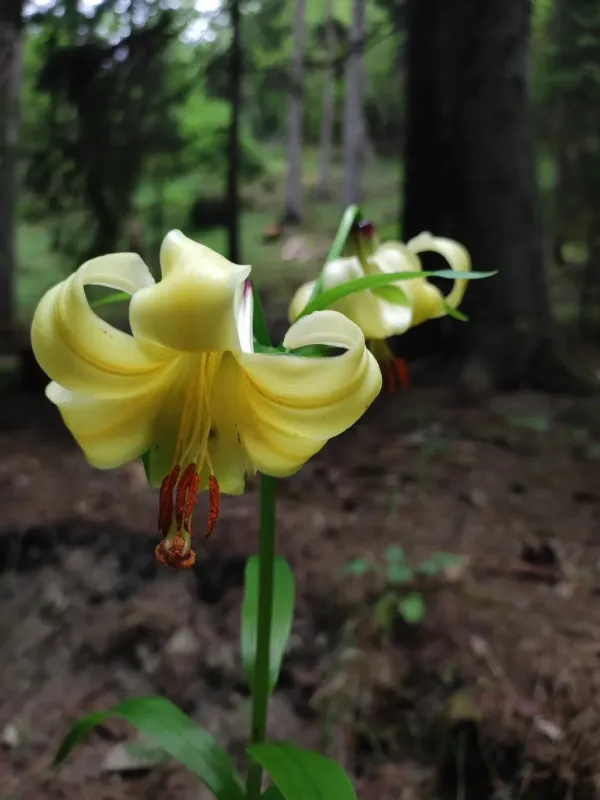
Botanically, it features a sturdy stem, narrow leaves, and large, nodding, bell-shaped flowers of a distinct yellow color. The plant typically reaches a height between 100 and 150 centimeters, depending on site fertility.
Good agricultural practice for this lily includes ensuring adequate space between bulbs to prevent overcrowding. Mulching is recommended to maintain stable soil temperatures and moisture levels during the peak summer heat.
Main diseases and pests
Botrytis, or gray mold, is a primary concern in humid environments. It manifests as brown spots on the foliage and, if left untreated, can quickly compromise the structural integrity of the entire plant.
Fusarium basal rot represents a significant threat to the bulb. It is often exacerbated by poor drainage and excessive soil moisture, leading to the rapid decay of the basal plate and subsequent death of the lily.
The lily beetle is a common and destructive pest that feeds on all parts of the plant. Monitoring and early intervention are critical to prevent the defoliation of the crop during the active growth phase.
Bulb mites can weaken the plant by feeding on the scales, which often leads to stunted growth. Using certified disease-free planting material and periodic soil cultivation helps in mitigating the mite population.
Viral infections transmitted by aphids can cause leaf yellowing and distorted growth patterns. Management focuses on vector control through regular insecticide application and the removal of infected plant residues.