
Medeola-leaved lily
Lilium medeoloides
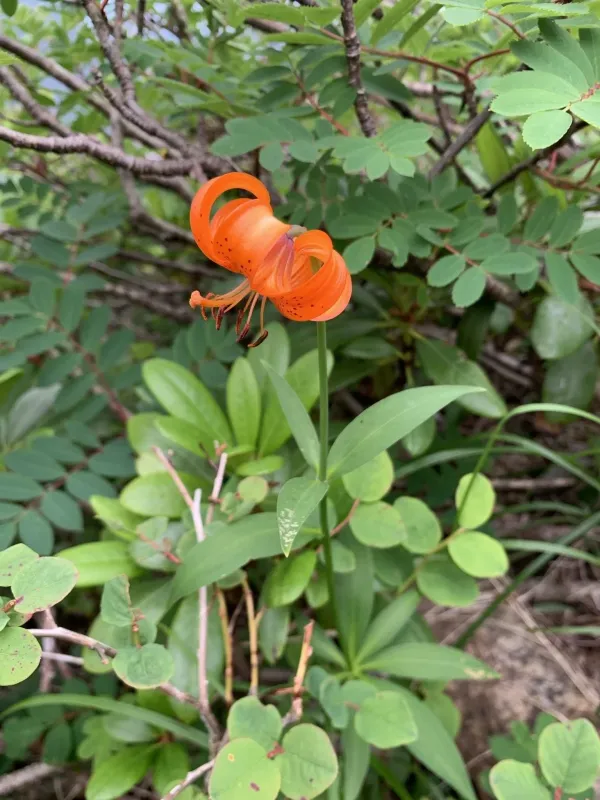
Description
Sowing dates
Propagation of Lilium medeoloides, or the Medeola-leaved lily, is primarily achieved through bulb offsets. Early autumn is the most suitable period for division and replanting, allowing the bulbs to establish before winter.
Seed propagation is possible but demanding due to the species' complex germination requirements. Seeds often require a period of cold stratification to overcome dormancy, making nursery-based sowing a preferred professional method.
When planting, bulbs should be spaced approximately 20 to 30 centimeters apart. This spacing is vital for air circulation and preventing competition for nutrients between individual plants.
The planting depth should ideally be three times the diameter of the bulb. This ensures that the bulb is protected from surface temperature fluctuations and remains stable throughout the growing season.
Proper soil preparation, involving the addition of leaf mold or well-rotted organic matter, provides the necessary nutrients for the lily to establish strong roots during the initial growth phase.
Growing requirements
The Medeola-leaved lily is a member of the Liliaceae family, native to the temperate forests of the Russian Far East, Japan, and the Korean Peninsula. It is an understory plant adapted to dappled shade environments.
Optimal growth conditions include cool, well-drained soil rich in organic matter. Exposure to harsh, direct sunlight should be avoided to prevent the overheating of the bulbs, which are sensitive to high temperatures.
The soil pH should ideally range from slightly acidic to neutral. High-alkaline soils or those prone to waterlogging can severely damage the bulb's root system and increase the risk of decay.
Mulching the soil surface is a highly recommended practice for this species. A layer of organic mulch helps retain soil moisture and keeps the roots cool during the peak of the summer season.
Consistent, moderate watering is necessary throughout the active growth period. However, gardeners must ensure excellent drainage to prevent the bulb from sitting in saturated soil, which is the primary cause of failure in lily cultivation.
Main diseases and pests
The most common disease affecting this species is Botrytis, or gray mold, which thrives in high humidity and stagnant air. Keeping the foliage dry and maintaining good spacing can effectively mitigate this threat.
Viruses, particularly those transmitted by aphid vectors, can cause stunted growth and foliage mottling. Controlling aphid populations is essential for maintaining the long-term health of the lily collection.
The lily beetle is a major pest that feeds on leaves and flower buds. Hand-picking or the application of appropriate contact insecticides is necessary to prevent significant damage to the plant's decorative value.
Bulb rot, often associated with soil-borne fungi such as Fusarium, occurs primarily in waterlogged conditions. Proper site selection and drainage management are the most effective preventive measures.
Root-knot nematodes can also pose a problem in some regions, leading to weakened growth. Soil solarization or the use of healthy, certified bulb stock is recommended to minimize these risks.