
White-flowered lily
Lilium leucanthemum
Description
Growing requirements
The white-flowered lily (Lilium leucanthemum) is a perennial bulbous plant belonging to the Liliaceae family. It originates from the mountainous regions of China, where it evolved to thrive in nutrient-rich, well-draining soils within woodland margins.
Successful cultivation depends on high-quality soil management. The plant requires a well-structured, loamy, or sandy soil with a neutral to slightly acidic pH. Exceptional drainage is mandatory, as waterlogged conditions during the dormancy phase can lead to bulb rot.
The species prefers a climate with distinct seasonal variations. While generally hardy, the bulbs benefit from a layer of mulch in colder regions to insulate the soil from drastic freeze-thaw cycles that can damage the developing root system.
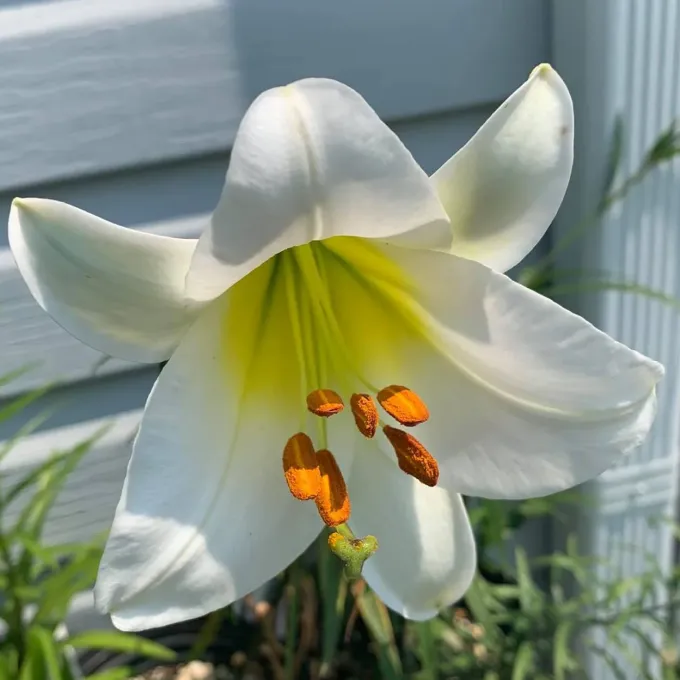
Botanically, the plant is characterized by a strong, upright stem reaching heights of up to 1.5 meters. The flowers are typically large, funnel-shaped, and creamy white, often possessing a distinct fragrance that is highly valued in horticulture.
Standard cultural practices involve regular applications of balanced fertilizers during the early spring and pre-flowering stages. Consistent moisture is required during the growing period, though irrigation should be reduced significantly once the foliage begins to yellow after blooming.
Main diseases and pests
The most significant pathological threats to Lilium leucanthemum include fungal diseases such as Botrytis elliptica (lily blight) and various Fusarium species that attack the root zone.
Pest management is focused on controlling the scarlet lily beetle, which can rapidly defoliate the plant, and sap-sucking insects like aphids, which are potential vectors for mosaic viruses.
Integrated pest management should include regular inspection, the use of systemic fungicides, and the removal of any plant material that shows signs of chlorosis or premature wilting.
Bulb hygiene is critical: always source bulbs from reputable suppliers and ensure they are free from mechanical damage or visible signs of fungal mycelium before installation into the garden bed.
Preventative measures also include maintaining good air circulation around the plants and ensuring that irrigation methods avoid wetting the foliage, which reduces the germination rate of fungal spores.