
Japanese lily
Lilium japonicum
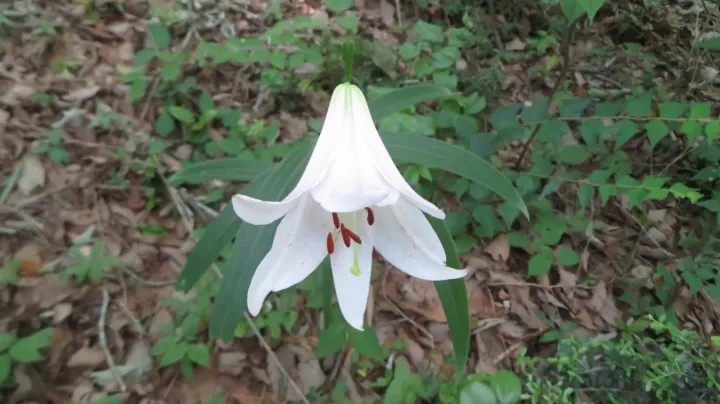
Description
Growing requirements
The Japanese lily (Lilium japonicum) is a sophisticated perennial species belonging to the Liliaceae family. Native to the mountainous woodlands of Japan, this plant is celebrated for its elegant, fragrant, trumpet-shaped flowers that bloom in shades of white to delicate pink.
Successful cultivation requires specific environmental conditions, primarily partial shade or dappled light. Intense, direct sunlight can easily damage the delicate petals and inhibit healthy growth, making forest-like garden spots ideal for this species.
The soil requirements are strict: Lilium japonicum thrives in well-drained, slightly acidic soil rich in organic matter. Good aeration is essential, as the bulbs are highly susceptible to rot if left in waterlogged conditions.
In terms of moisture management, the plant requires consistent watering during the growing season. However, providing a good drainage layer at the base of the planting site is crucial to prevent the accumulation of excess water around the bulb scales.
Winter care is vital, particularly in cooler regions. Applying a layer of mulch or providing protective covering helps safeguard the bulbs from freezing temperatures and ensures a strong comeback during the following spring growing season.
Main diseases and pests
The primary threat to the Japanese lily is fungal infection, particularly Botrytis, which manifests as leaf spotting. High humidity levels combined with poor air circulation are the main drivers of these outbreaks.
Fusarium wilt and bulb rot pose a severe risk to the longevity of the plant. These soil-borne pathogens often attack the bulbs when they are in a dormant state or when the soil structure is too heavy and compact.
The scarlet lily beetle is a notorious pest that can defoliate entire plants within a few days if left unchecked. Early detection is key to preventing significant damage to the plant's photosynthetic system.
Aphids and spider mites are secondary pests that often appear during warm, dry weather. They not only extract nutrients from the plant but can also serve as vectors for various viral diseases.
Maintaining a clean garden environment, ensuring adequate spacing between plants, and utilizing preventative fungicide applications are the best strategies to keep Lilium japonicum healthy and vibrant.