
Lilium concolor
Lilium concolor
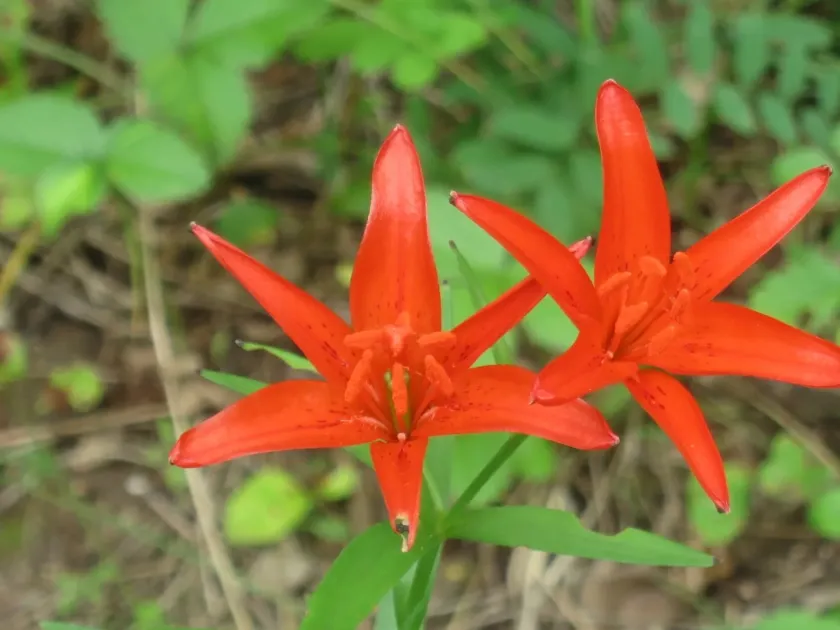
Description
Sowing dates
Sowing seeds of Lilium concolor is best performed in the autumn immediately after harvesting to facilitate natural stratification. If spring sowing is planned, seeds must undergo a cold stratification period of one to two months at low positive temperatures.
Use a well-draining, nutrient-rich substrate composed of turf soil, leaf mold, and coarse sand. Seeds should be sown at a shallow depth of approximately one centimeter to ensure optimal emergence and survival.
The ideal temperature for germination ranges from 18 to 22 degrees Celsius. Under these conditions, seedlings typically emerge within three to four weeks, provided that soil moisture is consistently maintained.
Containers for seed germination must feature adequate drainage holes to prevent waterlogging, which is a common cause of fungal diseases that kill young lily seedlings during their establishment phase.
Transplanting seedlings to individual containers or open ground should be delayed until the second year. By this time, the bulbs have reached a sufficient size to withstand environmental stress and competition.
Growing requirements
Lilium concolor thrives in full sun, requiring at least six to eight hours of direct light daily. Insufficient light leads to etiolated stems and significantly diminishes the intensity and longevity of the flowering display.
The soil must be light, loose, and possess excellent drainage characteristics. Neutral to slightly acidic soils are preferred, as heavy or waterlogged substrates rapidly lead to bulb rot and poor plant development.
Watering must be balanced; the plants require consistent moisture during the growing season but are highly susceptible to root decay if the soil remains excessively wet or lacks proper aeration.
Fertilization should follow a seasonal schedule, applying nitrogen-rich fertilizers in the spring for vegetative growth and transition to potassium-phosphorus blends when flower buds begin to form.
While the species is relatively hardy, applying a light layer of mulch in late autumn helps stabilize soil temperature and protects the bulbs from extreme frost in regions with minimal snow cover.
Main diseases and pests
Gray mold, caused by the fungus Botrytis, is the most prevalent threat, particularly in cool and humid weather conditions. It attacks leaves and stems, causing rapid decay if not controlled through proper spacing and airflow.
Fusarium wilt poses a significant risk to the bulbs, often causing rotting of the basal plate. To mitigate this risk, it is essential to treat bulbs with fungicides before planting and avoid planting in contaminated soil.
The lily beetle is a severe pest that can defoliate plants rapidly. Regular scouting is required during the growing season, and immediate manual removal or application of systemic insecticides is necessary to prevent extensive damage.
Aphids are frequent visitors that not only weaken the plant by feeding on sap but also act as vectors for various viruses that cause irreversible mosaic patterns and stunted growth in lilies.
- Regular field monitoring
- Proper crop rotation
- Use of systemic fungicides
- Weed management to prevent pest reservoirs
- Safe disposal of infected plant material
Harvesting
Seed harvesting should occur when the capsules begin to turn brown and dry but before they split open. It is crucial to perform this task during dry weather to ensure the seeds remain viable and free of mold.
After collection, seeds must be allowed to complete the drying process in a well-ventilated area away from direct sunlight. This ensures that moisture levels are low enough for long-term storage.
Bulb harvesting is carried out in the autumn after the foliage has naturally yellowed and died back. This indicates that the plant has entered dormancy and redistributed nutrients into the bulb.
After excavation, bulbs should be cleaned of debris and inspected for signs of damage or decay. Healthy bulbs should be graded by size and stored in a cool, dark environment until the following planting cycle.
Storage should be conducted in containers with slightly moistened peat or sand at temperatures ranging between 0 and 5 degrees Celsius to maintain bulb turgor and prevent premature sprouting.