
Chalcedonian lily
Lilium chalcedonicum
Description
Growing requirements
The Chalcedonian lily (Lilium chalcedonicum) is a perennial bulbous plant belonging to the Liliaceae family. It is native to the Balkan Peninsula, particularly Greece, where it thrives in rocky, well-drained terrains and scrubby slopes.
For successful cultivation, the plant requires excellent drainage and a neutral to alkaline soil profile. It is highly intolerant of waterlogged conditions, which makes the inclusion of gravel or coarse sand in the planting pit essential for preventing bulb rot.
The species prefers sunny locations but needs protection from extreme heat and moisture. While it is relatively hardy, it appreciates a sheltered spot in the garden, particularly in regions prone to heavy winter rainfall, where root saturation is a risk.
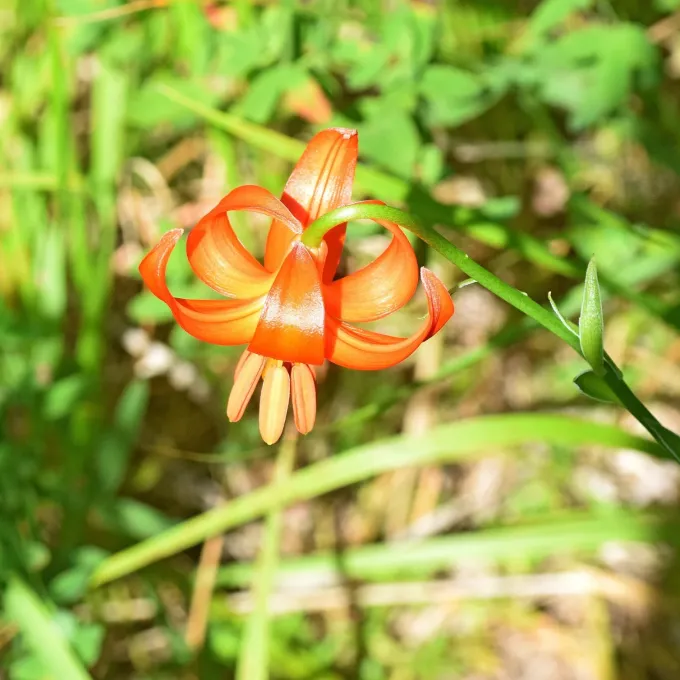
Botanically, it is defined by its striking scarlet-red, pendulous flowers with strongly reflexed petals. The plants typically grow between 60 and 100 cm tall, featuring sturdy stems and narrow, dense foliage that adds structural interest to flower beds.
In terms of usage, the Chalcedonian lily is highly valued in specialty horticulture and breeding programs. It played a significant role in the historical development of martagon hybrids and remains a favorite among collectors for its intense color and cultural significance.
Main diseases and pests
Fungal pathogens pose the primary threat to this species. Botrytis blight, which manifests as brown spots on leaves and flowers, is the most common issue in humid and poorly ventilated garden environments.
Root and bulb rots, often caused by Fusarium species, can devastate a planting if the soil remains too wet. Careful site selection and the use of fungicide-treated bulbs during planting are standard preventative measures against these pathogens.
The lily beetle is the most significant pest for this crop. It is known for its rapid feeding on foliage and buds; regular inspection and manual removal of adults and larvae are necessary to prevent severe defoliation and flower loss.
Below the soil surface, wireworms and white grubs can cause substantial damage to the bulb tissue. Soil-applied insecticides or biological controls, such as nematodes, are often used in professional nursery settings to mitigate these soil-borne pests.
Maintaining a healthy garden environment involves removing plant debris at the end of the season and ensuring adequate spacing between individual bulbs to promote air circulation and disease prevention.