
Carniolan lily
Lilium carniolicum
Description
Growing requirements
The Carniolan lily (Lilium carniolicum) is a rare perennial bulbous plant belonging to the Liliaceae family. It is native to the mountainous regions of the Balkans, particularly Slovenia, Croatia, and Bosnia and Herzegovina.
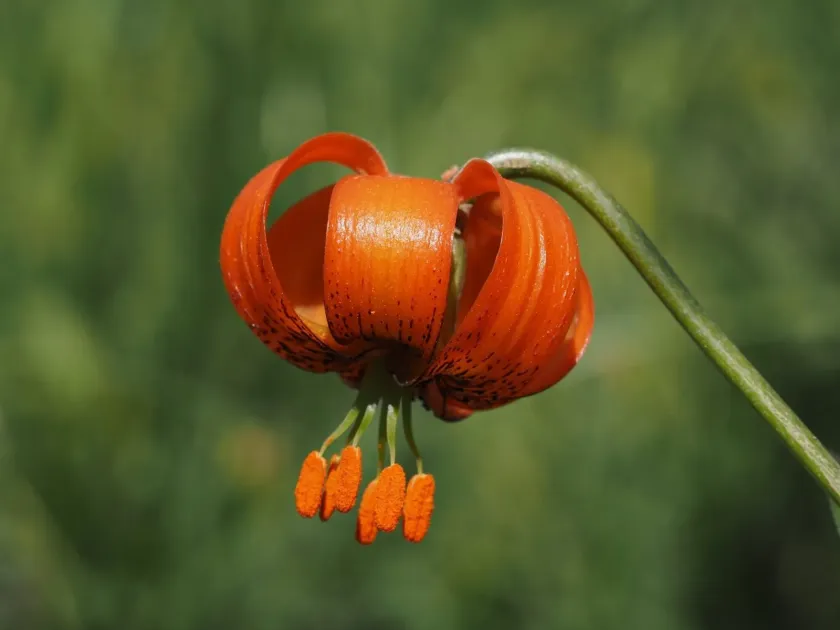
Botanically, this lily is recognized by its recurved, turban-shaped flowers which range from orange to deep red. It typically reaches a height of 50 to 80 centimeters and produces narrow, lanceolate leaves arranged spirally along the stem.
For successful cultivation, the species requires well-drained, lime-rich soil that mimics its natural limestone mountain habitat. Providing excellent drainage is critical to prevent bulb rot during the wet dormant season.
The ideal environment involves a spot with partial shade to full sun, provided the soil remains cool. Consistent moisture is needed throughout the growing phase, but the roots must never stand in stagnant water.
In terms of management, minimal disturbance to the bulbs is recommended. Unlike many commercial lilies, this species prefers to be left undisturbed in a stable environment where it can naturalize over several years.
Main diseases and pests
The primary threats to Lilium carniolicum include fungal pathogens such as Botrytis elliptica, which thrives in high humidity. Proper air circulation around the plants is essential to suppress the spread of fungal spores.
The lily beetle (Lilioceris lilii) is the most destructive insect pest. Manual removal of adult beetles and their larvae is often the most effective way to protect the foliage and developing flower buds.
Root rot caused by poor soil drainage remains a significant risk. If the soil is too heavy, amending it with organic matter and coarse grit is necessary to ensure the long-term health of the bulbs.
Viral infections, often spread by aphids, can cause distorted growth and mottled leaves. Maintaining a clean garden and controlling aphid populations are vital practices for preventing the spread of systemic viruses.
During the winter, severe frost without snow cover may necessitate a light layer of mulch to prevent extreme temperature fluctuations in the root zone, which can weaken the plant's resilience.