
Lilium callosum
Lilium callosum
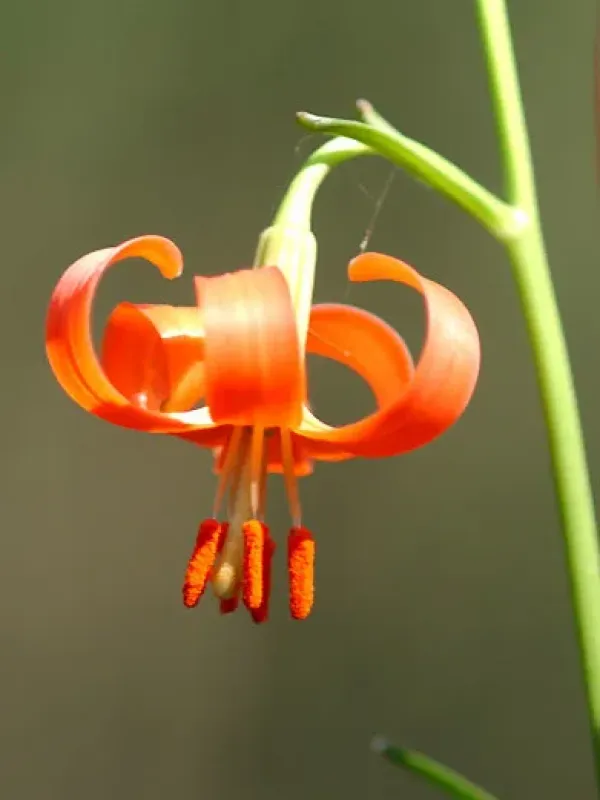
Description
Sowing dates
Lilium callosum propagation is typically achieved through seed sowing or bulb division. Sowing seeds outdoors in late autumn allows for the necessary cold stratification during the winter months.
When grown from seed, plants require patience as they generally reach maturity and start flowering within three to four years. Seeds should be sown in a loose, well-draining medium at a shallow depth.
For vegetative propagation, bulb division should take place after the foliage has matured or during the dormancy period in late summer. Care must be taken to minimize physical damage to the bulbs.
The optimal planting depth for the bulbs is generally three times their height, which protects them from frost and ensures stability during the growing season.
Successful establishment relies on consistent moisture levels during the germination phase, but overwatering must be avoided to prevent rot in young, sensitive bulbs.
Growing requirements
This species thrives in sunny locations but benefits from light shade during the hottest parts of the day. Proper air circulation is essential to prevent moisture buildup around the foliage.
Well-draining soil is non-negotiable for this lily. It prefers a slightly acidic to neutral substrate enriched with organic matter, such as leaf mold or well-rotted compost.
Watering management is critical; the soil should remain moist but never waterlogged. Drip irrigation is preferred to keep the foliage dry, reducing the risk of fungal leaf diseases.
Fertilization with a balanced NPK fertilizer in the early spring supports robust stem development, while a switch to phosphorus-rich options later aids in bulb storage and bloom quality.
Mulching with straw or wood chips helps maintain soil temperature stability and suppresses weeds, which compete with the lilies for nutrients and light.
Main diseases and pests
Botrytis blight is a frequent challenge, particularly in humid or stagnant air conditions. Infected parts should be removed promptly to prevent the spread of fungal spores.
The lily beetle is a notorious pest that feeds on the leaves and flowers. Early detection and mechanical removal are effective, but systemic insecticides may be needed for severe infestations.
Fusarium basal rot can be devastating, often caused by overwatering or contaminated soil. Good sanitation practices, including disinfecting tools, are vital for disease prevention.
Aphids can cause significant damage by feeding on young growth and acting as vectors for plant viruses. Regular monitoring is recommended throughout the active growing season.
Root system health is the primary indicator of overall vigor. If the plant shows yellowing or stunting, it is essential to check the bulb for signs of pests or decay immediately.