
Orange lily
Lilium bulbiferum
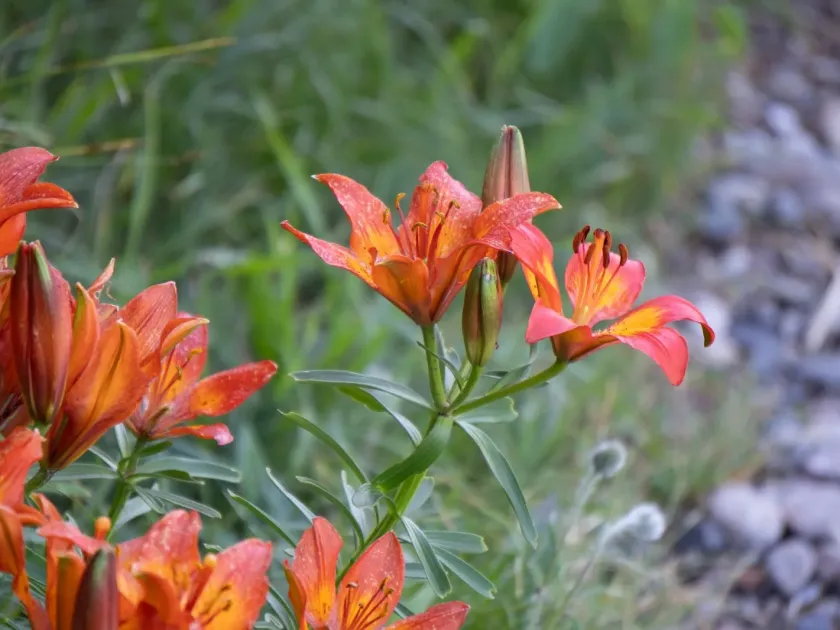
Description
Sowing dates
The propagation of the orange lily (Lilium bulbiferum), a member of the Liliaceae family, is most efficiently achieved through vegetative means. A unique biological feature of this species is the production of aerial bulbils in the leaf axils, which can be harvested and planted to propagate new individuals.
The optimal time for planting bulbils and mature bulbs is late summer or early autumn. This timing allows the plants to establish a root system before the onset of soil freezing, ensuring vigorous growth in the following season.
Seed propagation is also possible, though it is a more time-consuming process. Seeds are typically sown in late autumn, and they require a stratification period in open soil or cold frames to germinate effectively by the following spring.
When planting, the depth should be adjusted according to the size of the bulb or bulbil: larger bulbs should be buried 10–15 cm deep, while small bulbils require a shallower depth of approximately 3–5 cm. Proper spacing of 20–25 cm is essential for air circulation.
Selecting the right site is crucial for success. The area should be well-drained, as excessive moisture often leads to root rot. If the native soil is too heavy, incorporating organic matter like compost or grit can significantly improve the drainage profile.
Growing requirements
Orange lilies thrive in full sun, which is necessary to support their high light requirements. While they can tolerate light shade, exposure to direct sunlight for the majority of the day ensures stronger stems and a more prolific flowering display.
The soil should be fertile, loose, and slightly acidic to neutral in pH. A well-drained medium is non-negotiable for this species; heavy clay soils should be amended with sand or leaf mold to prevent the accumulation of stagnant water around the bulbs.
Adequate moisture is required during the active growth phase, particularly while the plant is developing its floral stalks. However, once the flowering period concludes, water intake should be reduced to encourage the bulbs to enter a healthy state of dormancy.
Applying a layer of mulch, such as pine needles or straw, around the base of the plant helps maintain soil temperature and moisture levels. Mulching also suppresses weed growth, which reduces competition for nutrients during the peak growing season.
In regions experiencing harsh winters, protecting the planting site with a light cover of dry leaves or frost blankets can be beneficial. This extra layer prevents the ground from freezing too deeply, protecting the emerging shoot buds for the following year.
Main diseases and pests
Fungal infections, such as Fusarium wilt, represent the most significant threat to the orange lily. This condition often results from waterlogged soil and improper drainage, causing the basal plate of the bulb to rot and leading to the rapid death of the plant.
Grey mold (Botrytis) frequently appears on leaves and stems during periods of high humidity. Proactive measures include pruning infected plant tissue immediately and applying copper-based fungicides during the early stages of an outbreak.
The lily beetle is a notorious pest that can quickly defoliate a plant. Regular inspections are vital; manually removing the beetles and their larvae is often the most reliable method for controlling their population in home gardens without relying on heavy pesticides.
Bulb mites can cause significant damage to the bulbs by tunneling through the scales, which weakens the plant and makes it susceptible to secondary infections. Treating stored bulbs with appropriate miticides can prevent damage during the winter dormancy period.
Viral diseases can manifest as mosaic patterns on the foliage and deformed flowers, which significantly reduce the plant's aesthetic value. Since aphids act as the primary vectors for these viruses, controlling aphid populations is essential for long-term health.
Harvesting
The harvest of aerial bulbils is performed once they are fully matured and detach easily from the leaf axils. Timing is key; harvesting should occur before the bulbils naturally drop to the ground, where they might be lost or become susceptible to soil-borne pathogens.
Mature bulbs are harvested in late autumn after the foliage has naturally yellowed and withered. It is recommended to use a garden fork for excavation to avoid mechanical injury to the bulb scales, which are highly sensitive to physical damage.
Once lifted, the bulbs should be carefully cleaned of soil and debris. Curing is the next vital step, which involves letting the bulbs dry in a shaded, well-ventilated area for several days to allow any minor wounds to callous over before long-term storage.
During the sorting process, bulbs can be grouped by size. Larger, flowering-size bulbs should be replanted in the display beds, whereas smaller offset bulbs can be placed in a nursery bed to grow to maturity over the next few seasons.
Storing the bulbs until the following planting season requires a cool, dry environment with good air circulation. Placing bulbs in mesh bags with slightly damp peat or sawdust provides the perfect balance of ventilation and humidity to maintain bulb viability.