
Brown's Lily
Lilium brownii
Description
Growing requirements
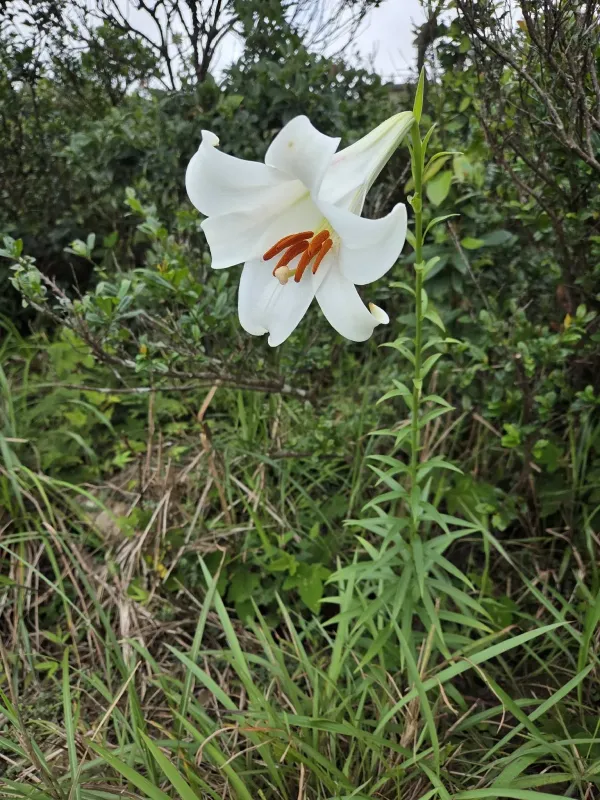
Brown's Lily (Lilium brownii) is a perennial bulbous plant belonging to the Liliaceae family. Originally native to China, this species is highly regarded for its large, trumpet-shaped white flowers and fragrant scent, making it a staple in specialized horticulture.
The plant requires well-drained, nutrient-rich soil with a neutral to slightly acidic pH. In agricultural settings, site selection is critical: the location should provide ample light but protect the plant from extreme heat and heavy precipitation that can lead to bulb rot.
Climatic requirements focus on a temperate growth cycle. While the plant can tolerate some frost, the bulbs benefit from a layer of organic mulch during winter in colder zones to maintain soil stability and prevent deep freezing of the root system.
Cultural practices involve moderate irrigation schedules. During the spring growth spurt and summer flowering period, consistent moisture is essential, whereas in autumn and winter, the soil should be kept relatively dry to prevent the bulb from decaying.
Beyond its ornamental value, Brown's Lily has historically served as a culinary ingredient and a medicinal plant in East Asian traditions, where its starchy bulbs are processed for various dietary and wellness applications.
Main diseases and pests
The primary threats to Lilium brownii include fungal pathogens such as Botrytis elliptica (gray mold) and various species of Fusarium, which thrive in poorly ventilated environments with high humidity levels.
Pests like the scarlet lily beetle pose a significant risk, as both adults and larvae feed voraciously on the foliage and flower buds, severely compromising the aesthetic and physiological state of the plant.
Integrated pest management strategies should include the use of pheromone traps, biological controls, and timely application of specific insecticides when pest populations exceed the economic threshold.
To mitigate disease pressure, growers must ensure adequate spacing between plants to improve airflow and apply preventative fungicidal treatments during the onset of the wet season.
Routine garden sanitation, including the removal of dead stems and foliage at the end of the season, remains the most effective way to reduce the overwintering population of major lily pests and pathogens.