
Bosnian lily
Lilium bosniacum
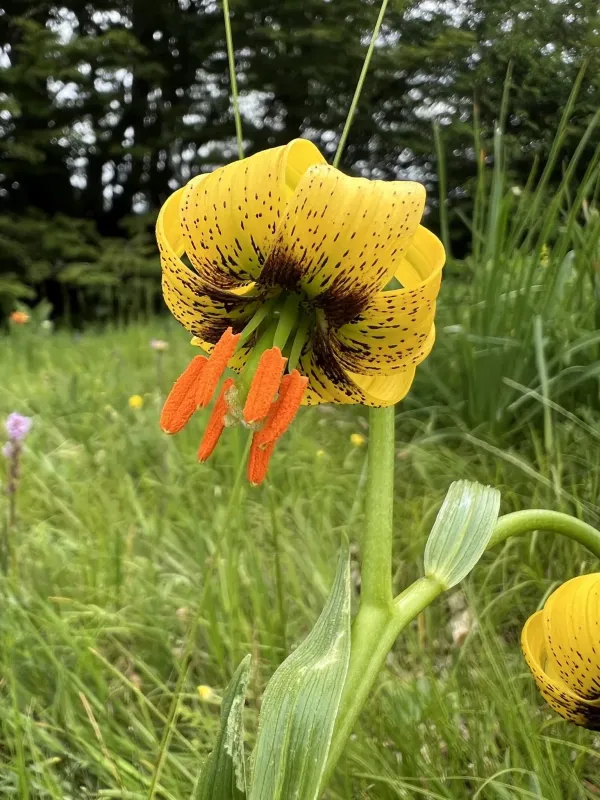
Description
Growing requirements
The Bosnian lily (Lilium bosniacum) is a distinctive bulbous perennial species belonging to the Liliaceae family. Native to the mountainous terrains of Bosnia and Herzegovina, it is a plant that thrives in limestone-rich habitats, showcasing high adaptability to alpine and sub-alpine environments.
Botanically, it is classified within the martagon group of lilies. Its most notable features include turban-shaped, nodding, golden-yellow flowers that possess a delightful fragrance. The plant typically reaches a height between 40 and 90 centimeters, featuring sturdy stems adorned with whorled leaves.
When cultivating this species, soil drainage is the most critical factor. The bulb requires a well-aerated substrate; therefore, adding sand or fine gravel to the planting hole is highly recommended to prevent water logging, which is the primary cause of bulb rot.
The Bosnian lily prefers cool conditions with protection from direct, intense sunlight during the hottest hours of the day. Planting them in a location that receives bright morning light but afternoon shade ensures that the roots remain cool and moist but not soggy.
Regarding maintenance, this species benefits from consistent moisture during its active growth phase in spring and early summer. However, after the flowering period, the demand for water decreases as the plant enters dormancy, requiring a relatively drier period to preserve the bulb.
Main diseases and pests
The primary pathogenic threats to Lilium bosniacum include fungal diseases such as Botrytis elliptica (lily fire). High humidity and poor air circulation around the foliage create perfect conditions for these fungi to spread rapidly, causing necrotic spots.
Pest management is centered on controlling the scarlet lily beetle (Lilioceris lilii). Both the larvae and adults can defoliate the plant entirely if not controlled manually or with systemic insecticides early in the season.
Soil-borne pathogens like Fusarium can severely damage the basal plate of the bulb, leading to plant collapse. Utilizing clean, disease-free planting material and avoiding excessive manure application helps reduce the incidence of such diseases.
Small rodents can cause significant damage during the winter months. Protecting the bulbs with hardware cloth or wire cages at the time of planting is a standard practice to ensure the survival of the lily throughout the dormant season.
Viral infections transmitted by aphids are another concern, manifesting as leaf mottling or growth distortion. Regular monitoring and aphid control, coupled with the immediate removal of suspicious plants, are essential to maintain a healthy garden display.