
Baker's Lily
Lilium bakerianum
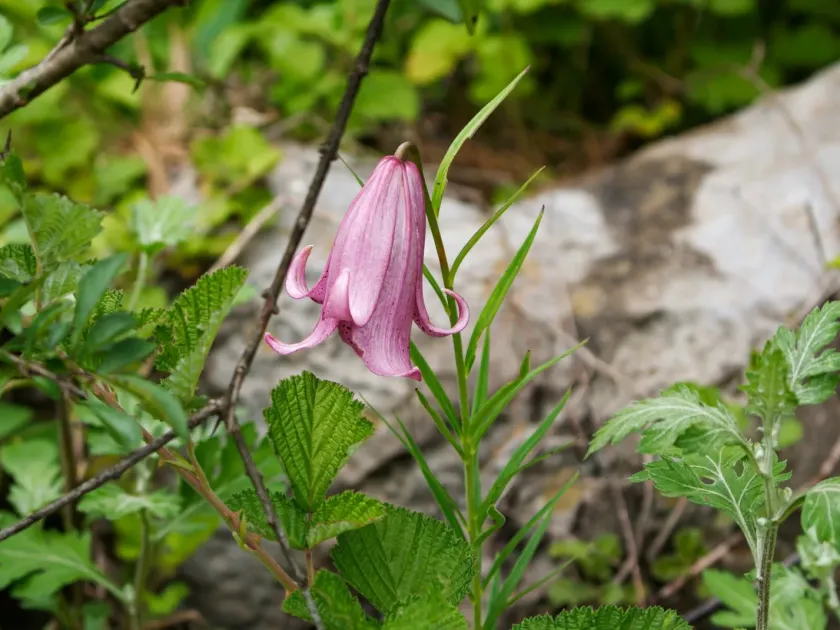
Description
Growing requirements
Baker's Lily (Lilium bakerianum) is a delicate perennial bulbous plant belonging to the Liliaceae family. Native to the mountainous regions of Southwest China, Myanmar, and Northern Thailand, it is well-adapted to cool and humid highland conditions.
The plant is distinguished by its elegant nodding, funnel-shaped flowers, which typically appear in shades of white or cream, often adorned with purple spots. The stems grow to heights between 40 and 90 centimeters, making it a prized specimen for specialized collections and ornamental gardens.
To successfully cultivate Lilium bakerianum, one must provide well-draining, slightly acidic to neutral soil enriched with organic matter. Water stagnation is detrimental to the bulbs, making the inclusion of a drainage layer in the planting medium a non-negotiable requirement for health.
This lily prefers partial shade or dappled light, as direct, intense midday sun can easily scorch the petals and stress the plant. Maintaining a stable growing temperature between 15 and 22 degrees Celsius is ideal for vigorous development during the growing season.
In cooler climates, it is common to grow Baker's Lily in containers, allowing for better control over the growing environment. Consistent but moderate watering is necessary, while growers should always avoid wetting the foliage excessively to prevent moisture-related damage.
Main diseases and pests
Fungal infections such as Botrytis (gray mold) and Fusarium wilt represent the primary threats to Lilium bakerianum, especially in humid or poorly ventilated conditions. Ensuring good airflow is the best preventative measure against these pathogens.
The lily beetle is a significant pest that can quickly defoliate the plant. Regular monitoring of the foliage for eggs and larvae, followed by manual removal or targeted insecticide application, is essential for maintaining plant vitality.
Bulb damage caused by soil-dwelling insects like wireworms requires preventative soil treatments. Furthermore, gardeners must ensure all cutting tools are sterilized between plants to prevent the mechanical transmission of viral diseases that can permanently weaken the bulb.
Avoiding over-fertilization with nitrogen is crucial, as an excess can lead to lush but weak growth that is more susceptible to aphids and fungal attacks. Balanced, slow-release fertilizers are preferred to maintain sturdy growth throughout the season.
Regular inspection for signs of stress, such as yellowing leaves or stunted growth, allows for early intervention. Removing infected plant debris at the end of the season is a vital step in breaking the disease cycle and ensuring healthy growth in subsequent years.