
Lilium amoenum
Lilium amoenum
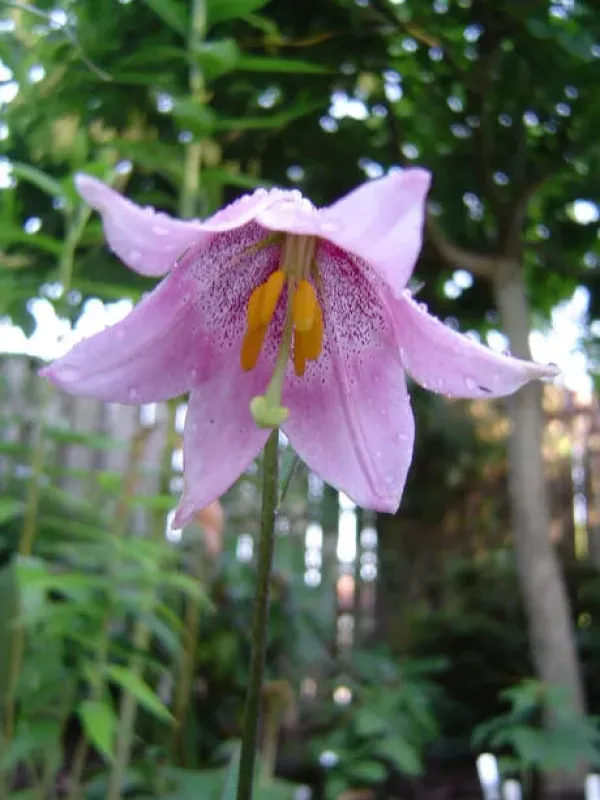
Description
Growing requirements
Lilium amoenum is a distinct species of the Liliaceae family, renowned for its delicate beauty and specific environmental requirements. This species is native to the high-altitude regions of Yunnan province, China.
To cultivate this lily successfully, one must replicate its natural alpine habitat. This requires a well-drained, porous soil medium that prevents any water accumulation around the bulb, which is prone to rot.
The plant thrives in cool, temperate climates. It requires consistent moisture during the growing season but demands a clear, dry dormancy period to regenerate its energy for the subsequent flowering phase.
Light levels are crucial for Lilium amoenum. It prefers bright, filtered sunlight or partial shade. Exposure to intense, direct afternoon sun can lead to leaf scorch and soil overheating, negatively impacting the root system.
When planting, it is recommended to use organic mulch. This layer helps maintain a stable root zone temperature and mimics the natural leaf litter found in its native mountain forest environments.
Main diseases and pests
The primary threats to Lilium amoenum involve fungal pathogens, such as Botrytis and Fusarium species. These are highly prevalent in areas with poor ventilation and stagnant soil moisture.
Pests such as aphids and lily beetles pose significant challenges. These insects can damage the developing foliage and flower buds, severely stunting the growth and aesthetic value of the plant.
Effective management includes a regular monitoring schedule. Identifying early signs of aphid infestation allows for timely intervention using mild horticultural soaps or specific biological controls.
Soil hygiene is essential for this species. Using sterilized media for pot cultivation or amending garden soil with coarse minerals can reduce the risk of soil-borne diseases significantly.
In cases of severe infestation or infection, prompt isolation or removal of the affected specimen is necessary to protect the remaining collection from potential pathogen spread.