
American lily
Lilium american
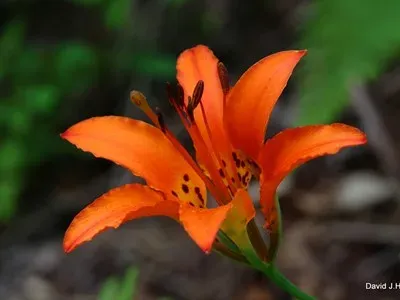
Description
Growing requirements
The American lily (lat. Lilium americanum) is a member of the Liliaceae family. It is a perennial bulbous crop known for its distinctive morphology and ecological adaptation to North American forest habitats.
This species naturally occurs in regions characterized by temperate climates and well-drained soil substrates. The plant has evolved to thrive in areas with dappled sunlight, making it an excellent candidate for semi-shaded garden zones.
Agronomic requirements include well-aerated, slightly acidic to neutral soils with high organic matter content. Proper drainage is essential, as the bulb is susceptible to rot when subjected to prolonged waterlogging in heavy clay soils.
The plant requires a balanced irrigation schedule. During the active growing season, consistent moisture is vital for the development of the bulb, while a drier period is necessary during dormancy to prevent fungal pathogen proliferation.
Economically, the American lily is primarily cultivated for ornamental purposes. It serves as a valuable asset in professional horticulture, botanical research, and private landscape projects where specific native floral aesthetics are desired.
Main diseases and pests
Common threats to the crop include fungal diseases such as gray mold (Botrytis). These pathogens thrive in high-humidity environments and can rapidly compromise the integrity of the foliage and flowering stems.
Insect pests, notably the lily beetle, pose a significant risk to the crop's vegetative health. Regular monitoring is required to prevent larvae from stripping the leaves, which hinders the plant's ability to store energy for the next season.
Cultural control measures are the first line of defense. This includes maintaining proper plant spacing to ensure airflow, which significantly reduces the incidence of powdery mildew and other moisture-related infections.
Chemical control, if necessary, should be applied with precision to minimize impact on beneficial pollinators. Fungicides should be used as a preventative measure during prolonged rainy spells rather than as a curative treatment alone.
Soil-borne diseases such as Fusarium wilt can be managed through crop rotation and by ensuring that the bulbs are planted in fresh, pathogen-free substrates. Careful handling of bulbs to avoid mechanical damage during planting is also crucial.