
Albanian lily
Lilium albanicum
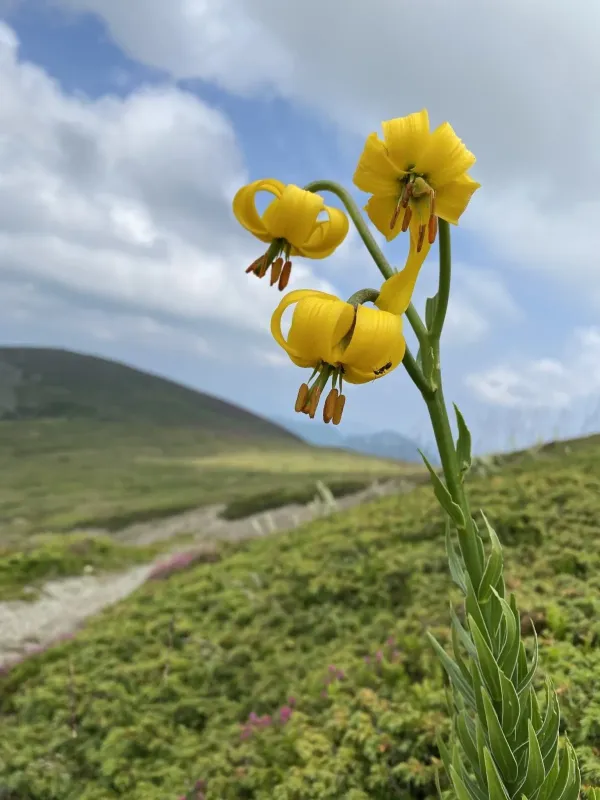
Description
Sowing dates
The Albanian lily (Lilium albanicum) is a rare species belonging to the Liliaceae family. In its natural mountain habitat, the plant relies on seed dispersal in the autumn, where seeds undergo a necessary period of natural stratification during the cold winter months to ensure spring germination.
When cultivated in nurseries, seeds are typically sown in early autumn in well-draining soil mixes. A shallow planting depth of approximately 1 to 2 centimeters is crucial, as deeper burial can prevent the seedlings from emerging through the soil surface effectively once temperatures rise.
Vegetative propagation is the preferred method for commercial and amateur growers to maintain the desired characteristics of the plants. Dividing the bulb clumps is performed during the dormant phase in late summer, ensuring that each new section has a portion of the root system attached.
For large-scale multiplication, the scaling of bulbs is a highly effective technique. This involves removing the individual scales from a mature bulb and planting them in a moist, sterile substrate, which eventually leads to the formation of multiple bulblets that grow into individual plants.
Proper sanitation during the propagation process is essential to avoid the spread of pathogens. All tools used for dividing or scaling must be sterilized, and any damaged or diseased bulb material should be immediately discarded to protect the healthy stock.
Growing requirements
Originating from the Balkan region, the Albanian lily thrives in mountainous environments characterized by cool air and good ventilation. It is essential to replicate these conditions in a garden setting, avoiding stagnant air pockets that can lead to fungal issues.
The soil requirements for this species are specific; it demands a light, well-draining substrate with a neutral to alkaline pH. Incorporating lime or crushed stones can help achieve the necessary soil structure and chemical balance preferred by this endemic lily species.
While the lily enjoys a sunny location, it requires protection from intense midday heat, especially in lower latitudes. Providing partial shade or planting them among taller perennial companions helps shield the root zone from excessive heating, which is detrimental to the lily's health.
Moisture management is a critical aspect of Albanian lily care. The soil should remain consistently moist but never waterlogged. Excessive moisture in the root zone is the primary cause of bulb rot, making the use of high-quality drainage material in the planting hole mandatory.
Winter care involves mulching to protect the bulbs from extreme temperature fluctuations in areas where snow cover is inconsistent. A thin layer of organic mulch, such as pine needles or dried leaves, helps stabilize the soil temperature and prevents the bulbs from heaving out of the ground.
Main diseases and pests
Botrytis, or gray mold, is the most common fungal threat to the Albanian lily. It thrives in humid conditions with poor air circulation, causing necrotic spots on the foliage that can rapidly progress to the stem, weakening the entire structure of the plant.
Basal rot, caused by various soil-borne fungi, represents a lethal threat if the drainage is insufficient. This infection destroys the base of the bulb, making it impossible for the plant to absorb water or nutrients, eventually leading to the collapse of the above-ground parts.
The lily beetle (Lilioceris lilii) is a notorious pest that can cause severe damage within a few days. The larvae are particularly destructive as they consume the leaf tissue, leaving behind only the veins, which significantly hampers the bulb's ability to store energy for the next season.
Aphids and nematodes can also be problematic. Aphids may act as vectors for viral diseases, which are incurable in lilies. Regular monitoring of the underside of the leaves is necessary to catch infestations early before they become difficult to manage with integrated pest control.
- Regular inspection for the presence of lily beetle eggs and larvae.
- Application of specialized fungicides at the onset of humid, rainy weather.
- Ensuring proper spacing to facilitate air movement around the foliage.
- Removing and destroying any plant parts showing symptoms of viral or fungal infection.