
Fritillaria verticillata
Fritillaria verticillata
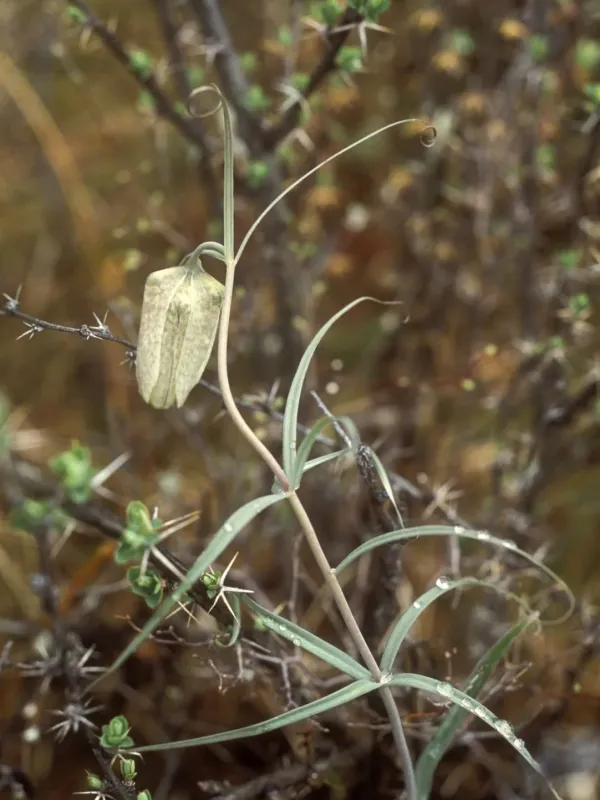
Description
Sowing dates
Sowing seeds of Fritillaria verticillata is a precise process typically performed in late autumn to ensure natural stratification. Seeds lose viability quickly if stored improperly, so immediate sowing after harvest is recommended to achieve the highest possible germination rates for the next spring season.
For vegetative propagation, bulbs are planted in early autumn, ideally September. This timing allows the root system to develop sufficiently before the ground freezes, which is essential for the plant to emerge vigorously once the temperatures rise after winter dormancy.
The planting depth is crucial, generally recommended at three times the diameter of the bulb. This depth protects the bulb from temperature fluctuations while ensuring the shoot has enough energy to penetrate the soil surface efficiently during the spring growing phase.
Spacing within the field should allow for adequate airflow between plants. A standard configuration of 20 by 30 cm is considered optimal to prevent the build-up of excess moisture around the foliage, which is a critical factor in avoiding fungal infections in dense plantings.
Following planting, a layer of mulch is highly recommended to protect the bulbs from severe cold. This layer not only insulates the soil but also maintains moisture, creating a stable environment that supports the initial development of the root system during the dormant period.
Growing requirements
Fritillaria verticillata, a member of the Liliaceae family, thrives in well-drained, fertile soils with a neutral pH. The species is highly sensitive to waterlogging, necessitating the implementation of proper drainage systems in areas prone to excessive moisture accumulation during spring.
Exposure requirements involve a balance between light and protection. While the plant can tolerate partial shade, it requires sufficient light for robust bulb formation. Wind protection is also necessary, as the tall stems can be physically damaged by strong gusts during the peak growing season.
Nutrient management focuses on moderate applications of organic compost before planting. Phosphorus and potassium are the most important elements for bulb health, while nitrogen levels should be kept low to avoid encouraging excessive foliage growth at the expense of root energy storage.
Watering regimes must be adjusted according to the growth stage of the plant. During the active growing phase, regular moisture is required, whereas during the summer dormancy period, the soil must be kept relatively dry to prevent the bulbs from rotting in the heat.
The soil structure should be light and friable to allow for easy expansion of the bulbs. Regular cultivation of the soil around the plants helps prevent compaction, ensuring oxygen reaches the roots and facilitating the healthy growth and multiplication of the bulbous biomass.
Yield
Yield for Fritillaria verticillata is measured primarily by the quantity and quality of mature bulbs harvested. As the plant requires a multi-year cycle to reach maturity, maintaining a consistent harvest involves managing different age cohorts within the production fields.
The reproduction rate via offsets is generally moderate, typically producing only a few daughter bulbs per year. This slow propagation cycle underscores the high commercial value of the species, as it requires a long-term commitment to achieve significant quantities of harvestable material.
In medicinal contexts, the bulbs are utilized for their specific alkaloid content. The harvest is typically executed after the foliage has died back, ensuring the maximum concentration of active compounds within the bulb before it enters its deepest period of summer rest.
Improving yield involves diligent weed control throughout the growing cycle. Weeds significantly reduce the energy available to the plant by competing for light and nutrients, and they can also create a damp microclimate that increases the risk of bulb diseases.
Modern agronomic approaches to increase yield include the use of precise fertilization and plant health monitoring. By managing the soil nutrient profile and ensuring rapid intervention during disease outbreaks, growers can significantly optimize the production of high-quality planting stock.
Main diseases and pests
Fungal diseases pose the greatest threat to this crop. Fusarium basal rot is a particularly devastating condition that can destroy entire patches if conditions are too humid, necessitating strict sanitation practices and the removal of infected plant materials from the field.
Gray mold (Botrytis) frequently attacks the stems and leaves during cool, damp springs. To mitigate this risk, farmers often employ preventive fungicide applications and ensure that planting densities allow for rapid drying of foliage after rainfall or dew.
Pests such as the lily beetle represent a significant threat to the plant's health. The larvae feed aggressively on foliage, which stunts the plant's ability to store energy. Regular scouting and immediate control measures are essential to preserve the plant's metabolic health.
Soil-borne nematodes can also cause stunted growth by damaging the root system. Crop rotation is the primary defense strategy, as avoiding the same plot for lily species helps disrupt the life cycle of these persistent and harmful subterranean pests.
Rodents, particularly voles, are notorious for consuming bulbs during the winter. Physical barriers such as wire mesh baskets or specialized field protection systems are often required to prevent massive loss of inventory during the months when food for wildlife is scarce.