
Fritillaria uva-vulpis
Fritillaria uva-vulpis
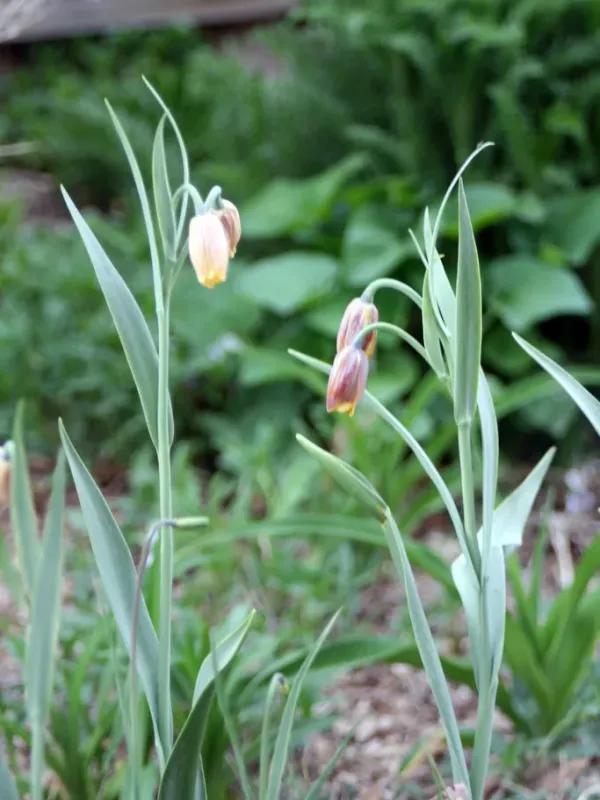
Description
Sowing dates
Planting of Fritillaria uva-vulpis bulbs should take place in late summer or early autumn. September is considered the optimal window, as the soil is still warm enough to allow for root development before the onset of winter dormancy.
The planting depth should typically be three times the height of the bulb. Depending on the soil structure, this usually ranges from 10 to 15 centimeters. Shallow planting may lead to winter damage, while excessive depth can delay emergence.
To improve drainage and prevent basal rot, it is essential to place a layer of clean river sand at the bottom of the planting hole. This simple practice ensures that excess moisture does not linger around the bulb during wet periods.
When planting in groups, maintain a spacing of 15 to 20 centimeters between individual bulbs. This distance provides adequate room for nutrient uptake and ensures good air circulation, which is vital for preventing fungal issues.
Once planted, the area should be watered lightly to settle the soil. In regions with severe winters, applying a layer of organic mulch after the ground freezes helps regulate temperature fluctuations and protects the bulbs from extreme cold.
Growing requirements
Fritillaria uva-vulpis, belonging to the Liliaceae family, is a distinct bulbous plant native to the arid rocky slopes of the Middle East. It is prized for its elegant, bell-shaped flowers featuring deep brownish-purple and yellow tones.
The culture thrives in well-lit, sunny locations but can tolerate partial shade during the heat of the day. Exposure to full sun during the early growth phase is necessary for the plant to achieve its optimal height and bloom quality.
Soil requirements focus on excellent drainage and fertility. A loose, sandy loam or humus-rich soil with a neutral to slightly alkaline pH is ideal. Heavy, waterlogged clay soils should be amended with organic matter and grit.
Water management is critical: consistent moisture is needed during the active growth period, but the soil must be allowed to dry out significantly once the foliage begins to wither. Summer dormancy requires dry conditions to prevent rotting.
Regular fertilization with balanced NPK fertilizers is recommended to support bulb development. Apply once as shoots emerge in spring and once more immediately after flowering to replenish energy stores for the following season.
Main diseases and pests
Gray mold (Botrytis) is the most significant disease threat to Fritillaria uva-vulpis, particularly in environments with high humidity and poor ventilation. It manifests as dark spots on leaves and can lead to complete stem collapse.
Fusarium rot can occur if the bulbs are subjected to excessive heat and dampness during their dormant period. Prevention centers on strict soil drainage control and avoiding overhead irrigation during the height of the flowering season.
The Lily Beetle is a primary pest that requires vigilant monitoring. Both adults and larvae feed voraciously on foliage, quickly defoliating the plant and significantly weakening its ability to store energy in the bulb for next year.
Small rodents, such as voles, pose a persistent threat by feeding on dormant bulbs. Utilizing wire mesh planting baskets acts as a physical barrier and is highly effective in protecting the collection from subterranean damage.
Effective pest management involves regular scouting and sanitation. Removing infected plant parts and maintaining weed-free beds reduce the habitats for pests and help in managing the overall health of the bulbous planting.