
Fritillaria stenanthera
Fritillaria stenanthera
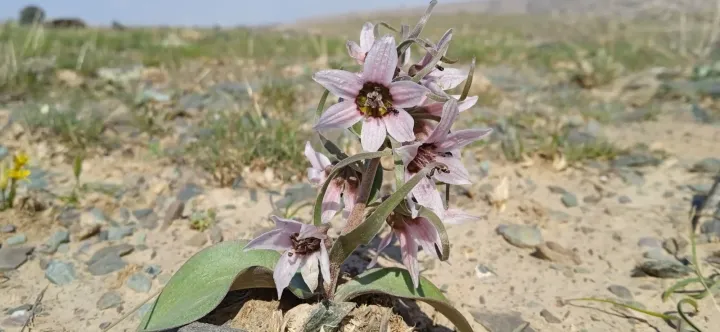
Description
Sowing dates
Fritillaria stenanthera is a perennial bulbous plant belonging to the Liliaceae family, naturally occurring in Central Asia. Propagation in cultivation is mainly performed through the division of offsets or daughter bulbs that develop around the parent bulb during the vegetative cycle.
The optimal time for planting bulbs is in late summer or early autumn, corresponding with the plant's dormant phase. Bulbs should be planted at a depth equivalent to three times their height, ensuring a protective soil layer that prevents damage from frost and prevents premature sprouting.
Seed propagation is a long-term process, with plants usually taking 4 to 6 years to reach maturity and produce their first flowers. Seeds require stratification, meaning they should ideally be sown in outdoor beds in late autumn to experience natural winter cooling cycles.
Proper spacing is crucial when planting bulbs to ensure adequate air circulation and nutrient availability. Maintaining a planting density of 10 to 15 centimeters between bulbs helps reduce competition and promotes the development of stronger, healthier root systems for the following season.
Regular division of bulb clusters every three to four years is essential for maintaining productivity. Failure to divide the plants leads to overcrowding, which reduces the plant's vigor, causes smaller blooms, and increases the likelihood of fungal infections spreading throughout the colony.
Growing requirements
This species requires well-drained, porous soils rich in organic matter. Heavy or compacted soils that retain moisture for too long can be fatal to the bulbs, often leading to basal rot, which is the most common cause of crop failure in poorly managed environments.
Fritillaria stenanthera thrives in sunny locations with well-lit exposures, mimicking the mountain meadows and scrublands of its native habitat. While it appreciates full sun during the growing season, protection from intense midday heat is beneficial for prolonging the flowering display.
Moisture management is critical throughout the vegetative cycle. While the plant needs consistent moisture during active growth and blooming, the soil must be kept relatively dry during the dormant summer period to prevent the bulbs from decaying while they are in a state of rest.
Soil pH should ideally be neutral or slightly alkaline. While the plant benefits from fertility, direct contact between bulbs and fresh manure or uncomposted organic matter must be avoided, as this significantly increases the risk of soil-borne pathogens and bulb tissue rot.
Winter protection, such as a thin layer of mulch or dry leaves, is recommended in regions experiencing severe frost. This provides a thermal buffer that keeps the soil temperature stable, protecting the roots from the mechanical damage caused by cycles of freezing and thawing.
Main diseases and pests
Fungal diseases are the primary threat to the crop, particularly in areas with poor soil aeration. Basal rot and other Fusarium-related issues often occur when plants are exposed to waterlogged conditions, necessitating careful irrigation planning and site selection for drainage.
The scarlet lily beetle is the most significant insect pest for this species, as it feeds on foliage and can severely weaken the plant. Integrated pest management, including regular inspection and manual removal of adults and larvae, is the most effective approach for control.
Underground pests, such as soil-dwelling larvae or rodents, can compromise the integrity of the bulb. If high pressure from these pests is observed, using specialized wire mesh baskets for planting can protect the bulbs while still allowing for root expansion and nutrient uptake.
Viral infections can cause symptoms like mosaic patterns or stunted growth. Since there is no cure for viral diseases in bulbs, strict sanitation is required; infected plants must be uprooted and destroyed immediately to prevent transmission by aphids or other sap-sucking insects.
Maintaining a rotation schedule is fundamental to long-term health. Avoiding replanting Fritillaria in areas previously occupied by other Liliaceae helps reduce the accumulation of host-specific pathogens and pests in the soil, ensuring the longevity of the crop.