
Scarlet fritillary
Fritillaria recurva
Description
Growing requirements
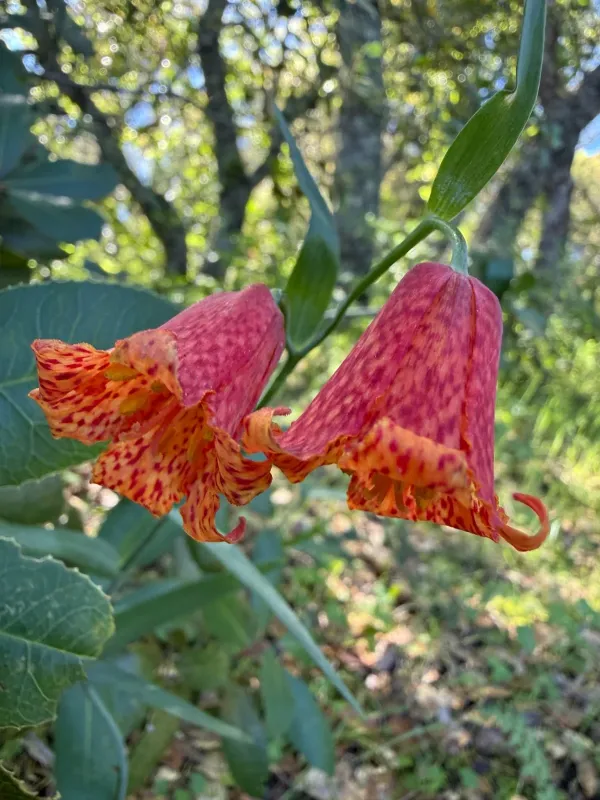
The scarlet fritillary (Fritillaria recurva) is a perennial bulbous plant belonging to the Liliaceae family. It is native to the western regions of North America, specifically occurring in the mountainous areas of California and southern Oregon, where it thrives in environments with distinct wet winters and hot, dry summers.
Successful cultivation of this species requires excellent soil drainage. Gardeners must ensure that the planting site prevents water accumulation, as wet soil during the dormancy period is the primary cause of bulb rot and total plant loss in this specific ornamental crop.
In terms of light exposure, Fritillaria recurva prefers full sun to partial shade. Exposure to bright light is essential for the development of the characteristic vibrant red-orange checkered blooms, which are the main reason for its popularity in specialty bulb collections.
The ideal soil profile for this plant is gritty, loose, and well-aerated. Incorporating coarse sand or fine gravel into the planting medium is highly recommended to mimic the rocky outcrops and scree slopes where these plants naturally grow in the wild.
While not a common agricultural crop for large-scale production, the scarlet fritillary holds significance in specialized horticulture. It is prized by collectors and landscape architects for its unique botanical traits and ability to add visual interest to alpine gardens and rockeries.
Main diseases and pests
The most significant threat to the scarlet fritillary is fungal infection of the bulb, often triggered by excessive moisture and poor soil drainage. If the drainage is not optimized, the plant becomes highly susceptible to various root rot pathogens that quickly compromise the bulb tissue.
The lily beetle is a major pest for members of the Liliaceae family. These insects can cause extensive defoliation, severely stressing the plant and preventing the bulb from storing enough energy to flower in the following growing season, necessitating active management.
Small mammals, such as voles and mice, are known to feed on the bulbs, especially during the dormant season. Using protective mesh cages around the bulbs during planting is an effective physical barrier strategy to prevent significant loss of the crop.
Viral infections can affect the health of the plant, often manifesting as stunted growth, mottled leaves, or distorted flowers. Because these viruses are often incurable, the best practice is to remove and destroy any infected plants to protect the rest of the garden.
Finally, improper climate management—specifically providing water during the dry summer dormant period—creates a physiological imbalance. This practice promotes decay rather than supporting the natural life cycle of the plant, underscoring the need for a strictly controlled horticultural environment.