
Adobe Lily
Fritillaria pluriflora
Description
Growing requirements
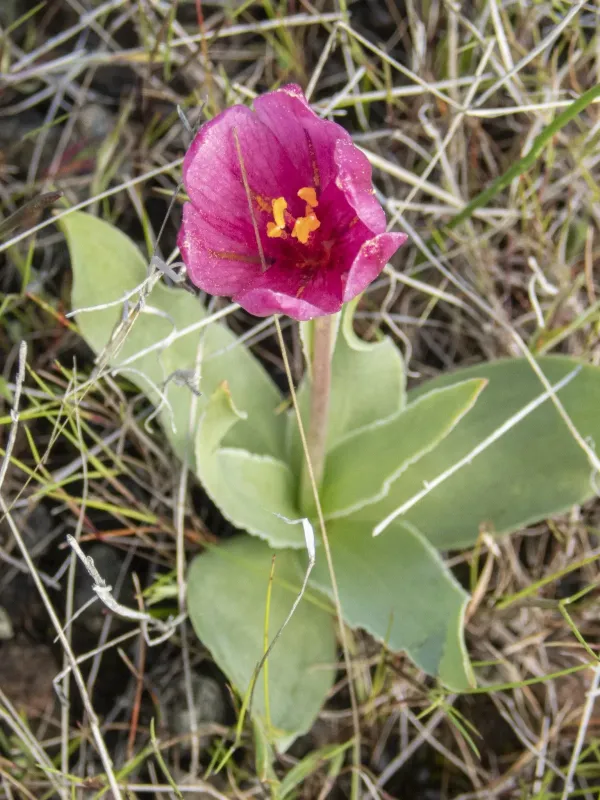
Adobe Lily (Fritillaria pluriflora) is a perennial bulbous species belonging to the Lily family (Liliaceae). It is endemic to the northern Sacramento Valley and adjacent foothills in California, where it thrives in clay soils and open grassy plains.
The plant is recognized by its beautiful pink to lavender-colored, bell-shaped flowers that bloom on stems reaching up to 40 cm in height. The foliage consists of narrow, lanceolate leaves clustered mainly towards the base of the plant.
For successful cultivation, Fritillaria pluriflora requires soil that mimics its native environment: heavy clay with excellent drainage. It is essential to ensure that the bulbs remain dry during their summer dormant period to prevent rot.
This species is highly prized in specialized gardening for its delicate appearance. It prefers sunny exposures and is best suited for rock gardens or climate-controlled bulb frames where the gardener can strictly manage moisture levels.
As an ornamental crop, it serves as a niche plant for collectors. Due to its limited native habitat, sustainable propagation through controlled nurseries is crucial for the availability of this species in horticulture.
Main diseases and pests
Common botanical threats include fungal infections, particularly Botrytis and various root rots, which are exacerbated by improper drainage and stagnant water.
In terms of pests, aphids can attack the flowering stems during the rapid spring growth, while subterranean insects can compromise the health of the bulb if the soil is not monitored regularly.