
Fritillaria minima
Fritillaria minima
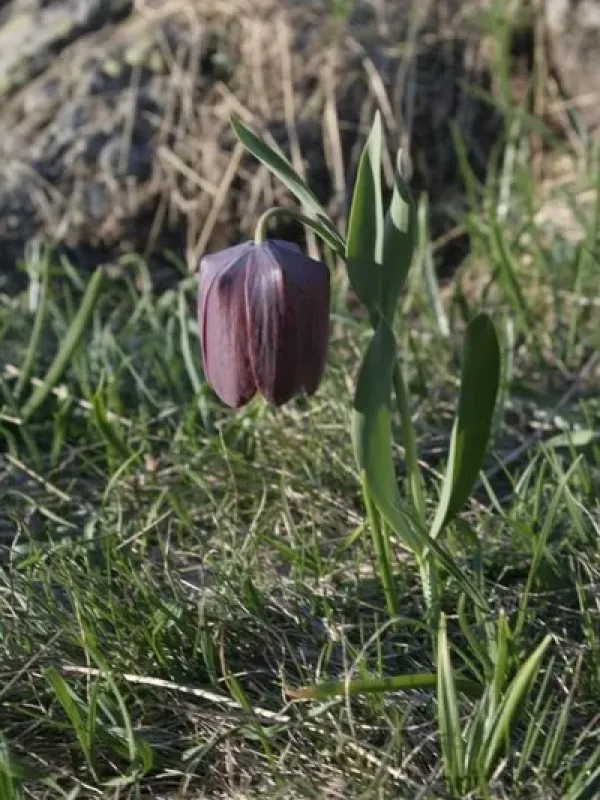
Description
Growing requirements
Fritillaria minima is a rare bulbous perennial belonging to the Liliaceae family. It is native to mountainous regions in the Balkans, where it thrives in rocky terrain and alpine meadows, showing a high level of adaptation to extreme altitude conditions.
Successful cultivation requires soil that mimics its natural habitat: extremely well-drained, porous, and nutrient-poor rocky substrate. Heavy soils that retain moisture must be amended with grit, sand, or perlite to prevent the bulbs from decaying during the dormant season.
Climate requirements include a cool, distinct growing season followed by a warm, dry summer. The plant relies on seasonal temperature fluctuations to trigger its physiological cycles, making it unsuitable for tropical climates without specific greenhouse management.
Sunlight exposure should be moderate to high during the early spring growth phase. However, as the plant finishes flowering, it naturally retreats into dormancy, and the bulb should be kept in a relatively dry, cool state until the next growth cycle begins.
Standard fertilization practices are minimal for this species. Over-fertilization, especially with high-nitrogen products, can lead to weak growth and increased susceptibility to physiological disorders or bulb rot, which is fatal for this delicate species.
Main diseases and pests
The primary threats include soil-borne fungal pathogens such as Fusarium and Rhizoctonia. These typically occur when the soil moisture is not managed correctly or when drainage is inadequate, leading to waterlogging around the bulb base.
Insect pests, specifically the lily beetle (Lilioceris lilii), represent a significant risk. These beetles consume foliage rapidly and can destroy small populations of Fritillaria minima if not controlled through manual removal or targeted systemic insecticides.