
Fritillaria michailovskyi
Fritillaria michailovskyi
Description
Sowing dates
The planting of Fritillaria michailovskyi bulbs is best performed in late summer or early autumn, typically in September. This timing allows the bulbs to establish a solid root system before the onset of winter dormancy.
Bulbs should be planted at a depth of 10 to 15 centimeters, depending on their size and the soil texture. Proper spacing of approximately 15 centimeters between plants is recommended to prevent competition and allow for healthy growth.
To improve survival rates and prevent potential infections, it is advisable to treat the bulbs with a fungicide before planting. This step is particularly important in regions with heavier soils prone to holding moisture.
Selecting the right site is crucial, as Fritillaria michailovskyi prefers to remain undisturbed for several years. Consistent placement helps the bulbs multiply naturally and form larger, more vigorous clusters over time.
In colder climates, applying a layer of mulch such as leaf mold or straw during the first winter provides essential protection. This prevents rapid soil temperature fluctuations, which can be detrimental to young roots.
Growing requirements
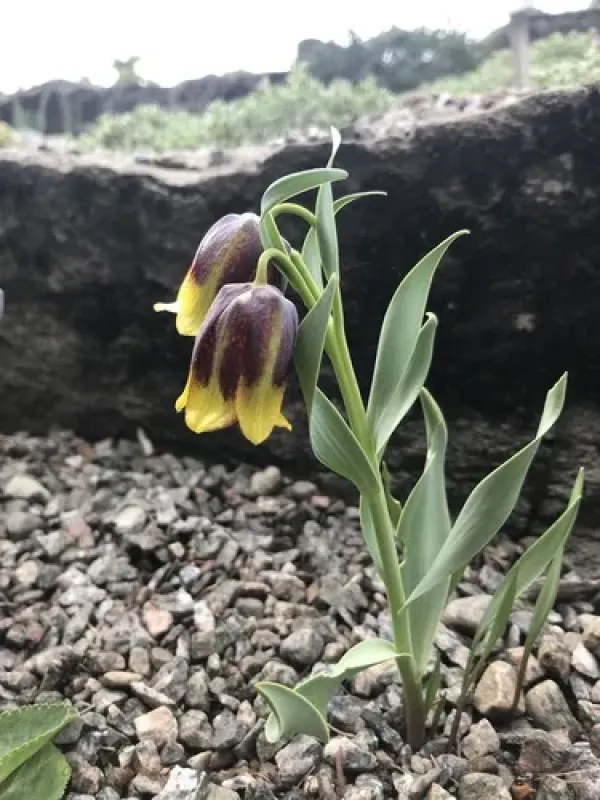
Fritillaria michailovskyi is a member of the Liliaceae family, native to the northeastern regions of Turkey. It is a prized perennial bulbous plant known for its striking purple flowers with bright yellow tips.
This species thrives in well-drained, gritty, and fertile soil. The most critical requirement is excellent drainage, as the bulbs are highly susceptible to rot if they sit in waterlogged conditions for extended periods.
The plant performs best in full sun or light shade. During the active growing season in spring, it requires consistent but moderate moisture to support flowering and subsequent foliage development.
Botanically, this fritillary is compact, making it an excellent candidate for rock gardens and borders. Its distinctive bell-shaped flowers add a high level of ornamental value to spring landscapes.
Applying a light dressing of well-rotted organic matter in the spring provides enough nutrients for the plant's short growth cycle. Avoid excessive nitrogen applications, which can encourage soft growth and increase susceptibility to pests.
Main diseases and pests
Fungal diseases, specifically bulb rot, are the primary threat to Fritillaria michailovskyi. Ensuring high-quality drainage and avoiding overly damp sites are the most effective preventive measures.
The scarlet lily beetle is a common pest that can cause significant damage to the foliage and buds. Regular monitoring and manual removal of larvae are often sufficient for home gardeners to control populations.
Rodents such as voles can be a major problem, as they often eat or displace bulbs during the winter. Using wire mesh baskets or planting guards can help protect the underground parts of the plant from these animals.
Viral infections can sometimes occur, often transmitted by aphids. Keeping the garden free of weeds and maintaining general plant health reduces the likelihood of these diseases taking hold.
Sanitation practices, such as removing dead foliage after the growing season, help maintain a healthy environment. By reducing debris, gardeners minimize the hiding spots for pests and potential fungal spores.