
Fritillaria messanensis
Fritillaria messanensis
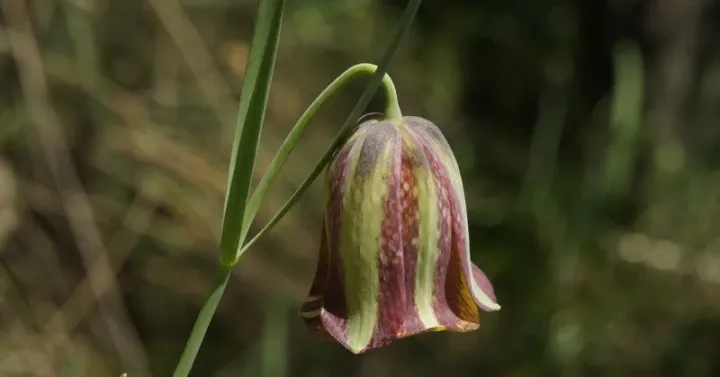
Description
Sowing dates
Planting Fritillaria messanensis bulbs is best carried out in the autumn, between late August and mid-October. It is crucial to plant them before the soil freezes, allowing the bulbs sufficient time to establish roots before winter dormancy sets in.
The planting depth should typically be 10–15 centimeters, depending on the bulb size. Ensuring proper depth is essential for the bulb's structural integrity and its ability to withstand temperature fluctuations during the dormant winter period.
Choose a planting site that receives full sun to partial shade. Because this plant originates from Mediterranean climates, it is vital to ensure that the site is free-draining and protected from excessive water accumulation during the rainy season.
Maintain a spacing of 20 to 30 centimeters between bulbs when planting in groups. This spacing provides enough room for individual growth and ensures adequate airflow, which is critical for preventing fungal issues in the foliage.
In colder regions, apply a layer of organic mulch after planting. This acts as an insulating barrier, maintaining a stable soil temperature and protecting the developing root system from extreme frost during the first winter.
Growing requirements
Fritillaria messanensis thrives in light, well-draining soils with a neutral or slightly alkaline pH. If the soil is heavy or clay-like, it must be amended with grit, coarse sand, or organic matter to facilitate drainage and aeration.
This member of the Liliaceae family is adapted to specific seasonal cycles, including a hot, dry summer dormancy. Providing these conditions is necessary for the long-term survival and annual blooming of the species.
The plant requires moderate water during its active growing season in spring. Once the foliage turns yellow and dies back, watering should be significantly reduced or stopped entirely to prevent bulb rot during the summer.
Sunlight is a key factor for success; the plant performs best in locations that provide at least 6 hours of direct sunlight. While it can handle light dappled shade, excessive shade may result in weak stems and poor flowering.
Apply a balanced, low-nitrogen fertilizer during the early stages of spring growth to support robust root and flower development. Avoid over-fertilizing, as excess nutrients can compromise the bulb's natural resistance to environmental stress.
Main diseases and pests
The most significant threat to Fritillaria messanensis is bulb rot caused by excessive moisture. Poor soil drainage combined with stagnant water during the dormant phase can lead to the rapid destruction of the plant's root system.
The lily beetle is a notorious pest that can cause severe damage to the foliage. If left unchecked, these insects can defoliate the plant entirely, which prevents the bulb from storing enough energy to bloom in the following season.
Preventative care is highly effective; treat bulbs with a fungicidal dip prior to planting to mitigate soil-borne infections. Always ensure that the planting environment is conducive to healthy growth and lacks stagnant water.
Rodents, including mice and voles, may find the bulbs attractive during the winter. Using wire cages or protective mesh around the bulbs during planting is a common practice to prevent subterranean damage from hungry wildlife.
Viral infections may appear as mottling or streaking on the leaves. Infected plants cannot be treated and should be removed and destroyed immediately to prevent the spread of the virus throughout the planting area.
Harvesting
Bulb harvesting should occur after the foliage has naturally withered and turned yellow, usually by early summer. Waiting for this stage is vital, as it indicates that the bulb has successfully stored energy for the next cycle.
Carefully lift the bulbs from the soil using a garden fork, being mindful not to nick or damage the outer scales. Discard any bulbs that show signs of soft spots, rot, or physical damage, as these will likely spoil during storage.
Allow the bulbs to dry in a cool, well-ventilated, and shaded area for about a week. Keep them away from direct sunlight, which can cause dehydration and sunscald, making the bulbs more susceptible to disease.
Store the clean bulbs in a dry, cool place with good air circulation. A mesh bag or a shallow tray with dry peat or sand can be used to keep them separated and ventilated until the autumn planting season arrives.
Separating offsets during the dormant period is an excellent way to propagate the collection. This practice not only expands your stock but also prevents overcrowding in the bulb clumps, which can otherwise lead to stunted growth.