
Little fritillary
Fritillaria meleagroides
Description
Sowing dates
The optimal time for planting Fritillaria meleagroides is late summer to early autumn, typically in September. This timing allows the bulb to establish roots in cool soil conditions before the deep freeze of winter, ensuring the plant is ready for early spring growth.
Bulbs should be planted at a depth of approximately 8 to 10 centimeters, depending on the bulb size. A layer of horticultural sand should be placed at the base of the planting hole to improve drainage around the basal plate, preventing moisture accumulation.
A spacing of 10 to 15 centimeters between bulbs is recommended to maintain adequate airflow and reduce the likelihood of foliage disease development. Proper spacing is crucial, especially in regions with higher spring humidity levels.
Propagation is primarily achieved through the division of offsets or bulblets that form around the mother bulb. These offsets should be carefully separated during the dormant season and replanted in a well-prepared nursery bed to reach maturity.
While seed propagation is possible, it is a long-term process that requires patience, as the seedlings usually take several years of cultivation before producing their first flower. Seeds should be sown in containers and exposed to a cold stratification period to break dormancy.
Growing requirements
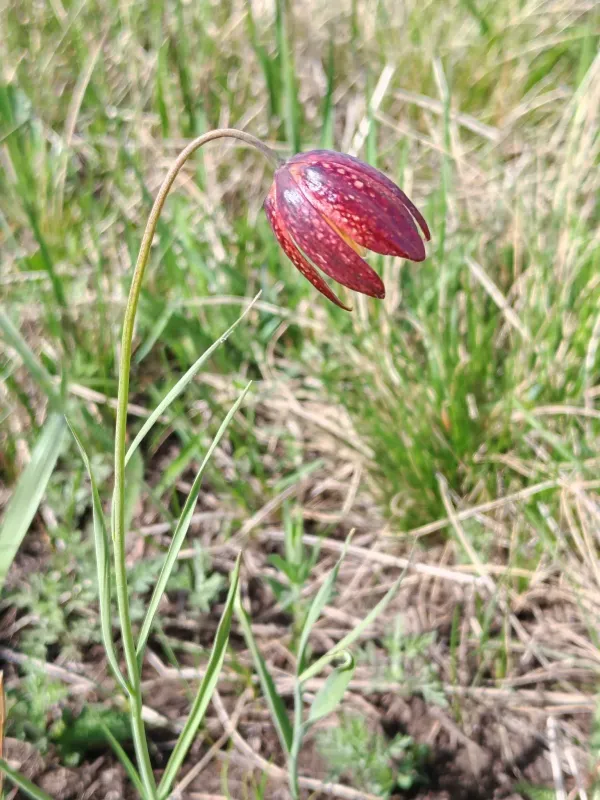
The little fritillary (Fritillaria meleagroides) is a herbaceous perennial belonging to the Liliaceae family. It is a distinctive species known for its delicate aesthetic and specific ecological requirements, making it a prized specimen for specialized bulb gardens and conservation collections.
Botanically, the plant features a small, rounded bulb and a slender stem that typically reaches 20 to 50 centimeters in height. Its most notable feature is the solitary, nodding bell-shaped flower, which displays a unique dark, mottled, or checkered pattern in deep purple and brown shades.
This species thrives in well-drained, fertile soils with a neutral pH level. It prefers sunny locations but requires protection from extreme heat during its summer dormancy period, which necessitates a cool soil environment maintained through strategic mulching.
Originating from the steppe zones and floodplains of Eurasia, the little fritillary is well-adapted to seasonal moisture fluctuations. However, in an agricultural setting, it is vital to prevent waterlogging, as the bulbs are highly susceptible to rot if left in saturated soil for extended periods.
Care practices for this crop focus on providing enough moisture during the spring growth phase, followed by a dry resting period. Consistent soil aeration and organic enrichment of the substrate help ensure vigorous growth and healthy development of the bulbous root system.
Main diseases and pests
Fungal infections, particularly Fusarium rot, represent the primary threat to the little fritillary. This disease often strikes the bulb directly, causing it to decay, especially in poorly drained or overly compacted soils that hold too much moisture.
Botrytis, or gray mold, is a frequent issue during wet spring weather, manifesting as brown spots on leaves and stems covered with fuzzy spores. Proper garden sanitation and the application of systemic fungicides are necessary if the infection is identified early.
The scarlet lily beetle (Lilioceris lilii) is a destructive pest that feeds on the foliage and stem of the plant. If left untreated, the beetle can cause severe defoliation, which drains the bulb's energy reserves and prevents flowering in the following season.
Soil-dwelling pests like wireworms can cause physical damage to the bulbs, creating entry points for secondary fungal and bacterial pathogens. Pre-planting soil preparation and checking bulbs for damage before sowing are essential prevention steps.
Maintaining a healthy crop also involves regular weeding and ensuring the site is not overcrowded. By keeping the plant's environment clean and dry after the foliage has died back, growers can significantly reduce the risk of pests and diseases taking hold.