
Broad-leaved fritillary
Fritillaria latifolia
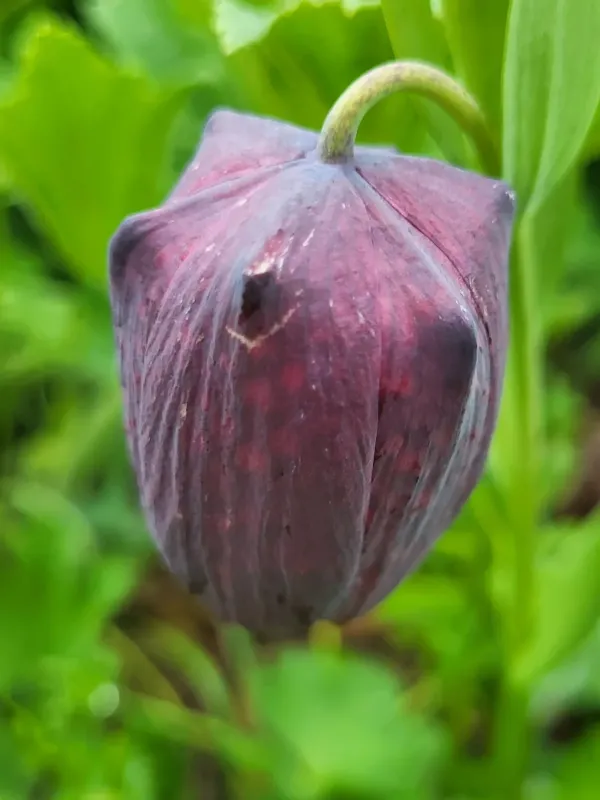
Description
Sowing dates
The planting of Fritillaria latifolia bulbs should be carried out during the late summer or early autumn months. This timing allows the roots to establish themselves before the onset of winter dormancy.
The planting depth should typically be three times the height of the bulb. In lighter, sandy soils, slightly deeper planting is recommended to ensure stability, while shallower planting is safer in heavier clay-based substrates.
When preparing the planting area, it is essential to ensure excellent drainage. Incorporating a layer of coarse sand at the base of the hole helps prevent water stagnation, which is the primary cause of bulb rot.
Plants should be spaced 20–25 cm apart to ensure proper airflow. Adequate spacing is crucial for reducing humidity around the foliage and minimizing the risk of fungal infections during the spring growth phase.
It is vital to use high-quality, disease-free planting material. Any bulbs exhibiting signs of damage or decay should be culled before planting to ensure the long-term health of the crop.
Growing requirements
Fritillaria latifolia, a member of the Liliaceae family, performs best in loose, well-draining, and nutrient-rich soils. A neutral to slightly alkaline pH is considered ideal for optimal growth.
The plant thrives in full sun but can tolerate partial shade, provided it receives sufficient light during the active vegetative growth phase in the spring.
While moisture is necessary during the growth period, the soil must be allowed to dry out significantly during the summer dormancy phase. Excess water during this stage can lead to bulb decay and poor plant vigor.
The species is highly frost-hardy, adapting well to varying climatic conditions. It does not require special winter protection in most temperate regions, although a layer of organic mulch can help retain soil moisture.
Fertilization with balanced NPK fertilizers in early spring is beneficial for supporting rapid growth. Supplementary potassium applications before flowering help improve the overall resilience and bulb storage quality.
Main diseases and pests
The most common threat to this culture is root rot, particularly when triggered by fungal pathogens such as Fusarium species. These pathogens flourish in poorly drained or waterlogged soils.
Pests such as the lily beetle can cause significant defoliation if left unchecked. Regular field inspections and prompt application of insecticides are effective measures to preserve the foliage and photosynthetic capacity.
Root mites can infest the bulb plate, leading to stunted growth and yellowing of the leaves. Preventing such infestations requires high-quality storage conditions and potentially the use of systemic fungicides.
Viral infections, characterized by leaf mottling, are persistent issues in bulbous crops. Management strategies focus on insect vector control and the immediate removal of symptomatic plants to prevent spread.
Crop rotation is an essential agronomic practice. Avoid planting on sites where other Liliaceae crops were recently grown to prevent the buildup of soil-borne pathogens and specific pests.
Harvesting
Harvesting of the bulbs is performed after the aerial parts of the plant have turned completely yellow and withered. This marks the transition into the summer dormancy stage.
Using garden forks is recommended to lift the bulbs gently from the soil, minimizing mechanical damage to the delicate outer scales. Damaged bulbs are significantly more susceptible to storage diseases.
After extraction, the bulbs must be cleaned and air-dried in a shaded, well-ventilated area. Direct sunlight should be avoided to prevent tissue damage and premature moisture loss from the bulb scales.
Sorting should be conducted by size class. Larger, mature bulbs are designated for future flowering, while small bulbils are separated to be grown on nursery beds for future expansion of the planting stock.
Proper storage is critical for future productivity. Bulbs should be kept in crates with breathable material at temperatures between +15 °C and +20 °C to promote healthy flower bud differentiation.