
Fritillaria involucrata
Fritillaria involucrata
Description
Growing requirements
Fritillaria involucrata is a perennial bulbous plant belonging to the Liliaceae family. It is a highly specialized species that reflects the biodiversity of the mountain ecosystems in Southern Europe, specifically the Maritime Alps.
The origin of this culture is restricted to the rocky limestone slopes and open woodland fringes of France and Italy. Its natural habitat dictates its specific needs, as it is perfectly adapted to climates with cool, moist springs and drier, dormant summers.
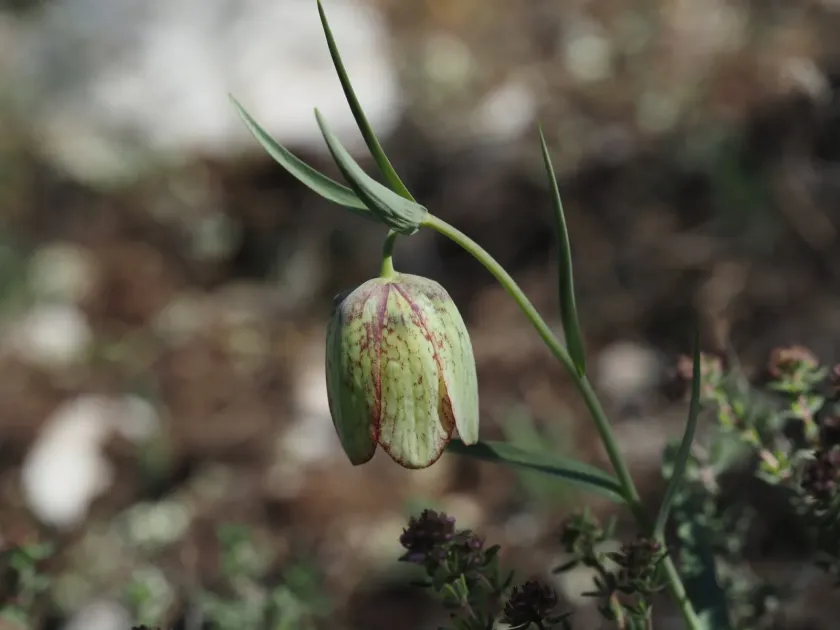
Botanically, the plant features a smooth, slender stem with linear-lanceolate leaves. The most distinct structural feature is the set of narrow leaves that forms an involucre, or a whorl, surrounding the solitary, bell-shaped nodding flower, which typically displays greenish-yellow tones.
For successful cultivation, the soil must be well-drained and alkaline. Ideally, the growing site should mimic mountain scree, providing excellent aeration for the bulb. Heavy or acidic soils often result in the rapid deterioration of the plant's root system.
In terms of usage, it is strictly an ornamental culture. It is prized by alpine gardeners and collectors for its unique silhouette and refined appearance. Proper care involves simulating its native cycle, ensuring minimal disturbance during its growth phase.
Main diseases and pests
The primary threats to Fritillaria involucrata are fungal diseases, particularly Botrytis and various bulb rots caused by excessive soil moisture. Keeping the soil well-drained during the summer dormancy period is critical to preventing infection.
Regarding pests, the lily beetle (Lilioceris lilii) is the most significant threat to the foliage. If left unmanaged, the larvae can defoliate the plant, severely limiting the energy storage needed for the next year's bloom and overall plant survival.