
Fritillaria hybrids
Fritillaria hybrids
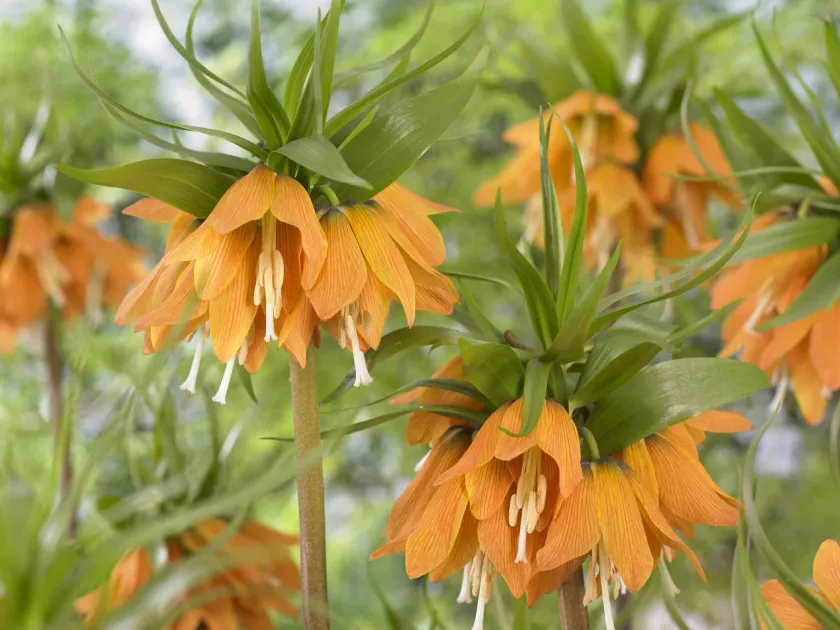
Description
Sowing dates
Planting of Fritillaria hybrids should take place in late summer or early autumn. This timing allows the bulbs to establish a robust root system before the onset of the dormant winter season.
The planting depth is typically determined by the bulb size, generally around 15–20 cm for larger bulbs. A layer of coarse sand at the bottom of the planting hole is recommended to improve drainage and prevent rot.
Maintain a spacing of 25–30 cm between plants to ensure adequate airflow and nutrient uptake. Proper spacing is essential for preventing the rapid spread of soil-borne pathogens and fungal diseases.
When propagating through offsets, separate the daughter bulbs from the mother bulb after the foliage has withered. These offsets should be grown in a dedicated nursery bed for a few years until they reach maturity.
Avoid planting in areas prone to standing water. If the soil is clay-heavy, amend it with organic matter and horticultural grit to increase permeability and prevent waterlogging of the bulbs.
Growing requirements
Fritillaria hybrids, members of the Liliaceae family, thrive in sunny locations that are sheltered from harsh winds. While they can tolerate partial shade, full sun promotes the sturdiest stems and most vibrant blooms.
The ideal soil is fertile, loose, and well-draining, with a neutral pH. Improving soil structure with organic compost prior to planting significantly enhances the growth and development of the bulbous root system.
Watering should be balanced; the plants require moisture during their active growing phase in the spring, but they should remain dry during their summer dormancy period to avoid bulb rot.
Apply a balanced NPK fertilizer in early spring as shoots emerge, and a secondary dose after the flowering period to support bulb maturation. Avoid excessive nitrogen, which can lead to lush foliage but weak stems.
Most Fritillaria hybrids are hardy but benefit from a layer of mulch in regions with harsh winters. This protects the bulbs from extreme temperature fluctuations and keeps the soil moisture levels stable.
Main diseases and pests
The Lily Beetle is the most significant pest affecting Fritillaria species. Regular monitoring is crucial, as the larvae feed voraciously on leaves; manual removal or systemic insecticides are standard control methods.
Fungal issues such as Botrytis (gray mold) can occur in cool, damp conditions. Ensuring good ventilation between plants and applying preventative fungicides helps mitigate the risk of infection during the spring.
Basal rot caused by Fusarium fungi is a major threat linked to poor soil drainage. Infected bulbs become soft and should be discarded to prevent the fungus from spreading to healthy specimens nearby.
Viral infections can cause mottled leaves and deformed flowers. Since there is no cure, rigorous sanitation and the control of aphid vectors are the best strategies to maintain the health of your Fritillaria collection.
Careful handling of bulbs during planting is essential, as mechanical damage can serve as an entry point for bacteria and fungi. Always use clean tools to avoid cross-contamination between different plants.